ORBIS city feature
Amsterdam: Buy the Second Draft
Amsterdam’s most characteristic object has already been edited once. It may have been repaired, restored, reissued, recirculated or reconsidered for a longer life; the city’s real sophistication lies in the quality of that second decision.
Circularity is visible across Amsterdam—in policy, architecture, fashion, food and product design. The ambition is serious; the aesthetic it has produced can also become retail theatre, giving anything distressed, recycled-looking or second-hand an instant halo.
The second draft demands more. It asks not whether an object has a past, but whether someone has prepared it intelligently for a future.
Repair as a design decision
Denim makes the argument tangible because wear is expected and intervention can be seen. At Kings of Indigo, hemming, patching and a repair warranty turn longevity into an operating service. The useful question is not whether the brand speaks about sustainability, but whether the owner can return with a worn knee, damaged seam or wrong length and receive a practical answer.
Repair changes the original design relationship. A patch can be discreet or expressive. A hem can preserve proportion or distort it. The craft lies in extending use without pretending the garment is untouched. A repaired jean becomes a collaboration between first maker, wearer and repairer.
That collaboration begins with fit. No repair programme can make the wrong garment worth owning, and circularity cannot absolve an unnecessary first purchase.
The curated object and the problem of editions
At The Frozen Fountain, contemporary design appears as an edited conversation among established names, emerging makers, prototypes, editions and regular production. The shop’s cultural value is real, but curation is not manufacture. Each object still needs its own authorship and production story.
“Edition” can conceal as much as it reveals. A numbered run may be limited by contract, material, capacity or marketing; an open edition may be made with exceptional care; a prototype may be historically important and functionally unresolved. The useful question is what the category changes about replacement, repair, value and future availability.
Vintage after intervention
Amsterdam’s appetite for vintage furniture and clothing can make age feel self-authenticating. Yet an older object often arrives through layers of work: cleaning, refinishing, structural repair, new foam, new textile, replacement hardware. Those acts are not necessarily defects. They become problems when they are hidden.
A serious seller explains what remains original, what has changed and why. The next owner can then judge whether the intervention preserves function, evidence or aesthetic coherence. Patina is one kind of record; a loose joint does not become desirable through age.
Books and records as circular culture
Scheltema and Concerto show that circulation is also intellectual. A book returns an argument to attention. A second-hand record carries music, pressing history, ownership and condition into another listening room. The object is valuable because it can still perform its purpose, not merely because it has survived.
Here, edition and condition become practical. A translation determines how a text speaks. A pressing determines how a recording was produced and sometimes how it sounds. Missing pages, warped vinyl or damaged sleeves are not charming evidence of prior life when they obstruct use.
The buyer becomes an editor: choosing which version deserves another chapter.
Food and the shortest second life
Fresh chocolate and aged cheese complicate circular language because they are meant to disappear. At Puccini Bomboni, the second draft is not indefinite preservation but correct quantity, storage and timing. A fresh-cream chocolate has a shorter, more demanding life than a packaged souvenir. Buying less can be the more generous act.
Cheese carries another kind of time: milk transformed, matured, cut and finally transported. The owner needs to preserve that work through temperature, packing and legal entry into the destination country. Waste begins when appetite is confused with carrying capacity.
Circularity beyond appearance
Amsterdam’s civic ambition gives circular retail a serious context, but every claim still returns to the object. Which material was recovered, in what proportion and through which process? Can the piece be repaired or disassembled? Does the seller remain responsible after the sale, and will the owner use it long enough for the claim to matter?
New material is not automatically irresponsible, and reused material is not automatically durable. A second draft may preserve what already exists; it may also be a new object whose maintenance, repair and eventual disassembly were designed from the beginning.
Continuity is work
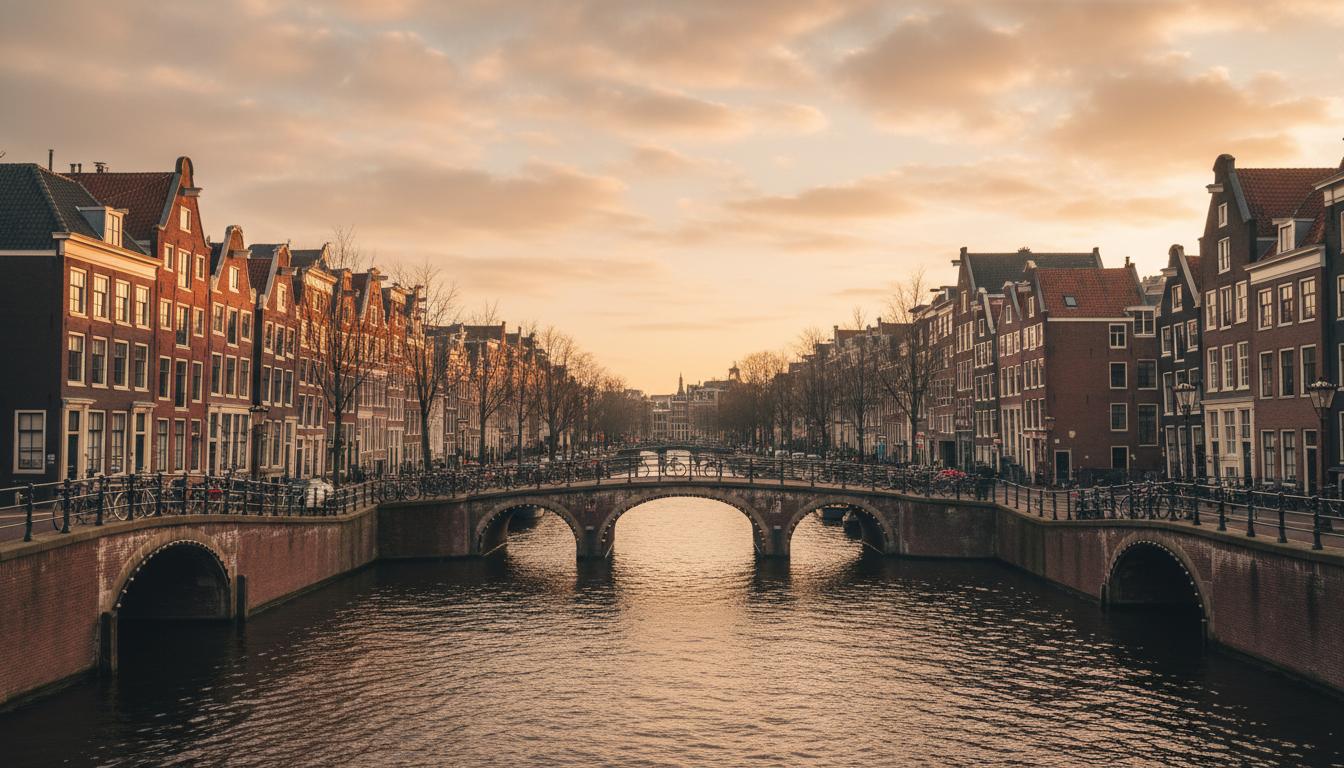
Amsterdam is often sold through picturesque continuity—canals, narrow houses, old brick, bicycles and objects comfortably worn. The deeper lesson is less decorative. Continuity requires repairers, booksellers, record dealers, conservators, designers, owners and public systems willing to keep value in motion.
The best purchase participates in that work. It carries a repair path, condition history, edition statement, realistic shelf life or compelling reason to remain in use. A past does not make it virtuous; the object must still earn a future.
Buy the second draft when it is more honest, more useful and more carefully resolved than a disposable first.