ORBIS · The World Shopping Atlas
The Journal
Published in curated editions · seasonal, independent, ad-free
Features
 Brand Deep-Dive
The Diamond That Went Public
A New York jeweler bought the world's most famous diamond, then gave it away — to a museum, for free, and made the least private object he ever owned. Brand Deep-Dive
The Silk Man Who Vanished
An American architect turned a dying Thai craft into a global silk house, then walked into a Malaysian jungle in 1967 and was never seen again — the mystery is still part of what the shop sells. Material Explained
The Knife That Named an Army
A cutler in a Swiss village built a folding knife for soldiers in 1897, and the world has called every version of it a Swiss Army Knife ever since — including the ones no army ever issued. Brand Deep-Dive
Fourteen Billion Pairs
Three siblings opened a shoemaking workshop with ten employees in 1894 Moravia. A cash crisis nearly ended it within a year. Guinness now credits the company with more shoes sold than any other in history. Brand Deep-Dive
Just Shoes
Diana Vreeland looked at his portfolio once and told him what to do with his life. Fifty years later, "Manolos" is a common noun. Cultural
Made by the Movies
A New York leather jacket, a Florentine dive watch, and a Turin sunglass frame were all designed to solve a working problem — then a single film scene turned each one into a costume the whole world wanted to wear. Cultural
Torquay, 1969
Modern surf apparel took shape twice in the same Australian beach town in 1969, through two businesses that would carry Torquay around the world. Brand Deep-Dive
The Shoe That Outran Everyone
A barefoot Ethiopian runner won Olympic gold in them. A Hollywood star wore them to fight on screen. The same sneaker did both. Trends
Born in May
A pastry chef spent two months perfecting a croissant-doughnut hybrid; within hours of its May 2013 launch, photographs had spread around the world. Material Explained
The Ring With Two Hands
Two Galway jewellers, one street apart, made the ring that became Ireland's most exported symbol — one cast the first of them, the other put one on a future American president's wife. Material Explained
The Man Who Invented the Heel
He designed a queen's coronation shoes one year and the stiletto heel the next — then let Catherine Deneuve make his buckle immortal in a single film scene. Brand Deep-Dive
Napoleon's Jeweler
One house has made crowns, coronation swords and more than 3,500 tiaras for two centuries of European sovereignty — from the same Place Vendôme address where Chopin died upstairs. Trends
Asia's World Champions
A bread world championship, a barista world championship and a world cup tasting title — three shops across East Asia whose small beginnings led to global competition wins.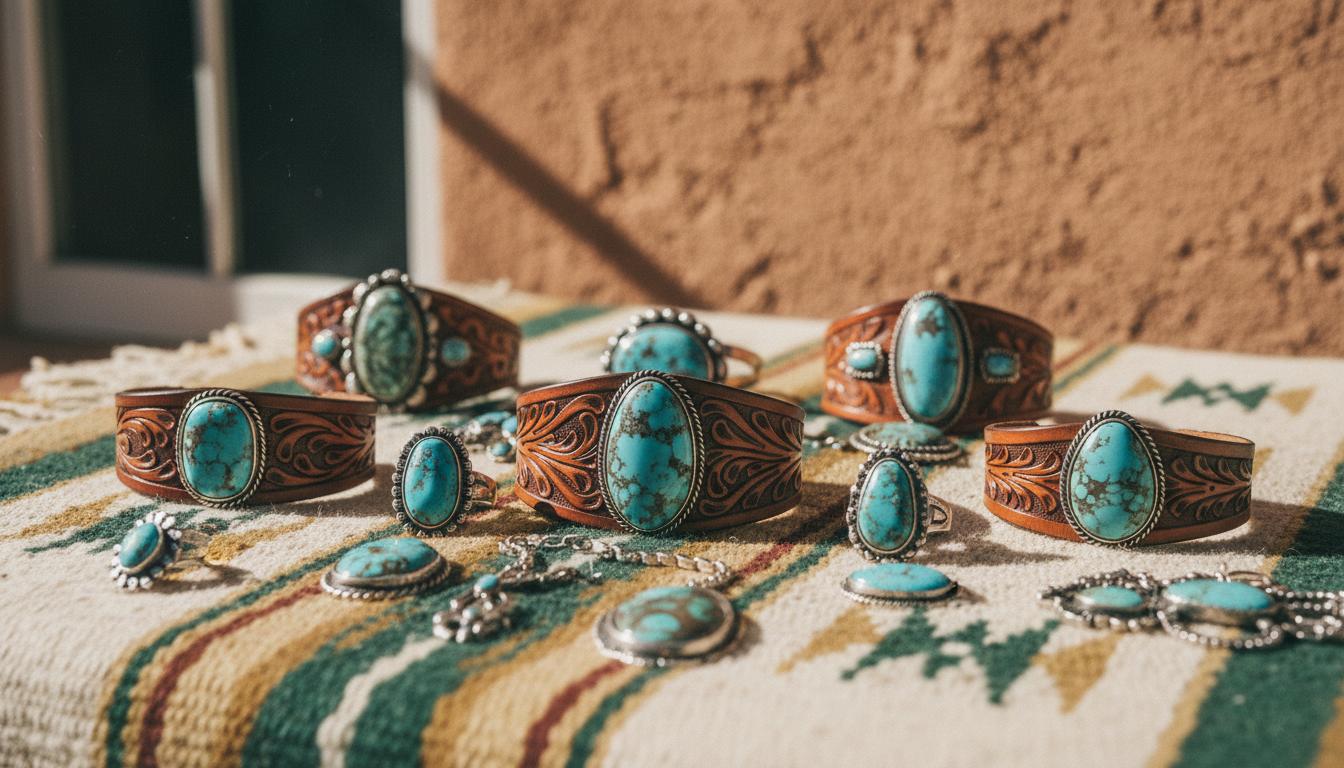 Cultural
The Shop That Hatted a Revolution
Porfirio Díaz, Emiliano Zapata and Pancho Villa never agreed on much, but they all bought their hats from the same shop on the Zócalo. Brand Deep-Dive
The Poet Who Made Sandals
Three generations of one Athens family joined sandal-making with poetry and art, drawing Jackie Onassis, Sophia Loren and the Beatles to their workshop. Cultural
The Store That Would Not Stay Down
A Christchurch department store survived a catastrophic 1947 fire and the 2011 earthquakes, reopening on Cashel Street while remaining connected to the Ballantyne family. Material Explained
The Coral Carvers of Torre del Greco
In one town under Vesuvius, whole families still cut the Mediterranean's red gold the way their great-grandfathers did. City Guide
Six Doors on the Faubourg
One Paris street holds a saddler, a trunk-maker, a chocolatier, a tea house, a pâtissier, and a stationer — a complete civilization in six shopfronts. Material Explained
The Soft Shoulder
Naples took the padded English suit apart, stitch by stitch, and dressed the modern world in what was left. Cultural
The Department Store Is Dead. Tokyo Never Got the Memo
While the West hollowed out its grand emporia, Japan perfected them — bowing at the doors, curating like galleries, and feeding whole cities underground.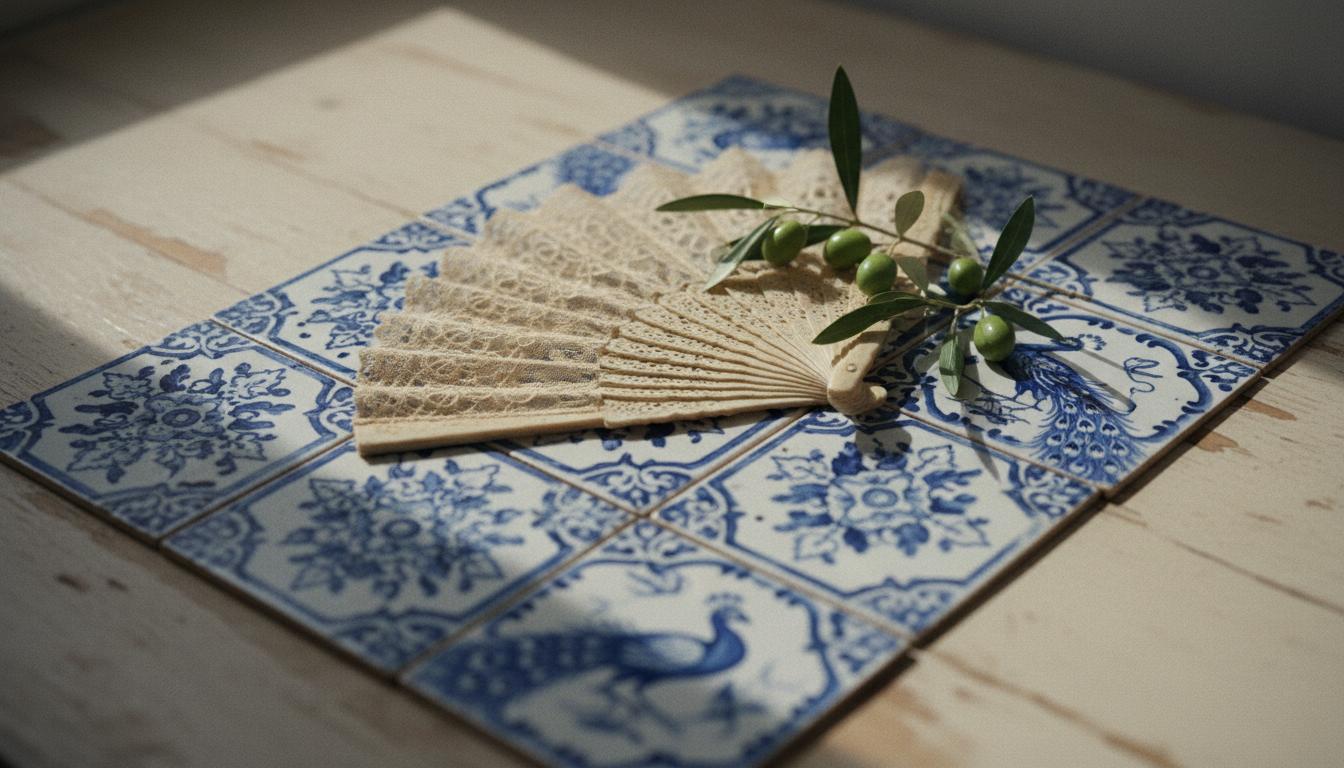 Material Explained
Blue and White Forever
In Copenhagen and Vienna, the courts of northern Europe turned clay and glass into dynasties — and the dynasties are still at the bench. Material Explained
The Last Lasts
A handful of houses in Vienna, London, Paris, and Northampton still carve a wooden record of your feet — and keep it forever. Cultural
Kyoto Keeps Its Hands
A tea-caddy workshop and a twelve-century weaving district show how Japan's old capital turned repetition into genius.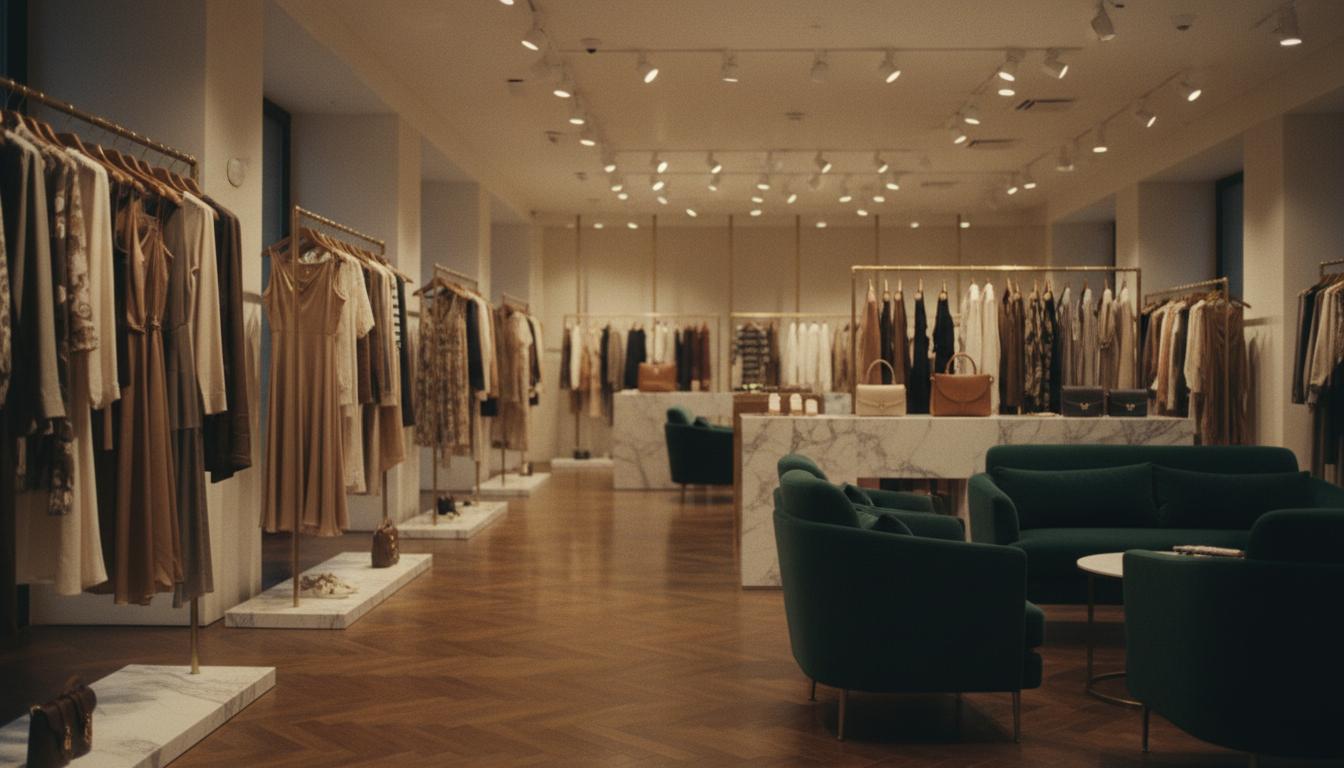 Trends
The Concept Store at Fifty
Milan, London, and Amsterdam built stores that sell arguments instead of inventory — and half of modern retail is their descendant.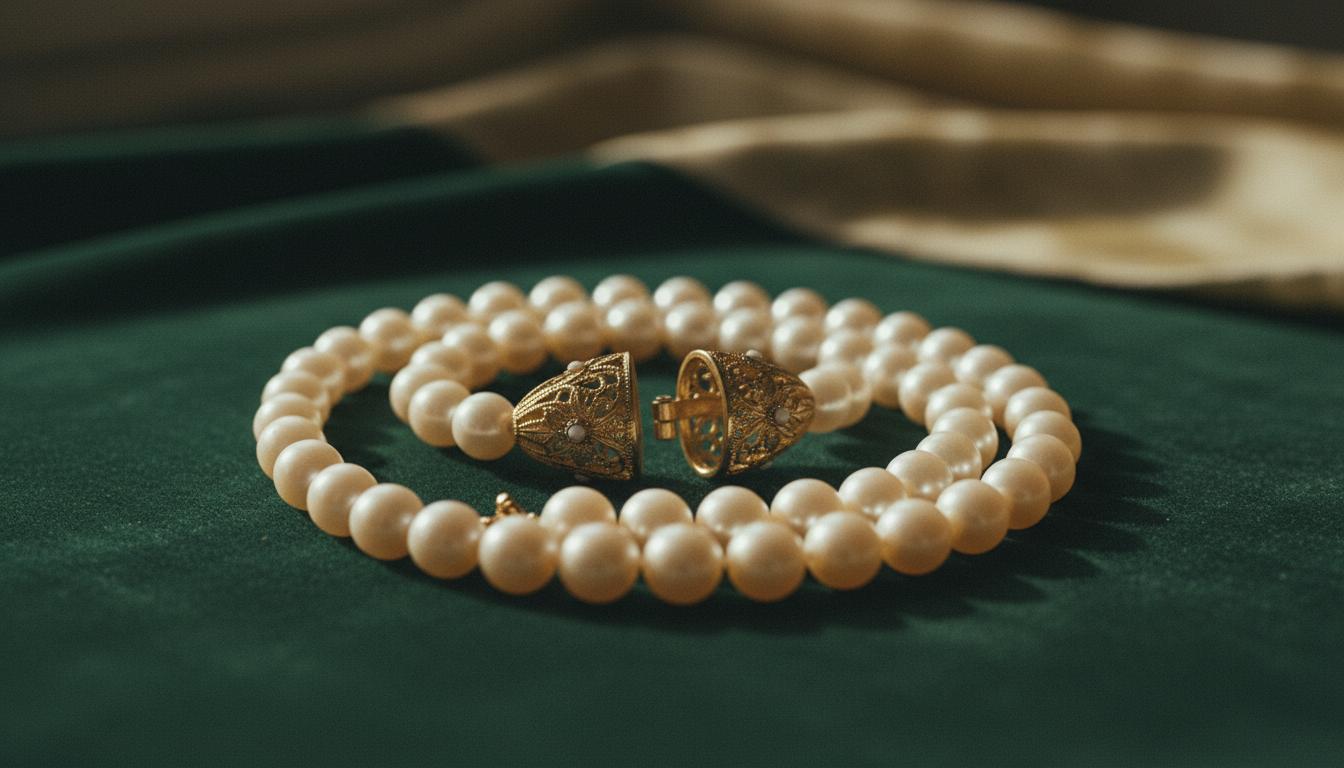 Material Explained
The Pearl Roads of Polynesia
Across the Tuamotu lagoons, families farm the black pearl the way others farm the vine — and sell it from the shore it grew on. Cultural
The Palaces of Everything
Europe built cathedrals to commerce — glass domes, bronze lions, food halls like chapels — and the great ones still hold court. Material Explained
Perfume Before Perfume
From a friars' pharmacy in Florence to a lab bench in Nolita — six houses that mark four centuries of putting scent in a bottle.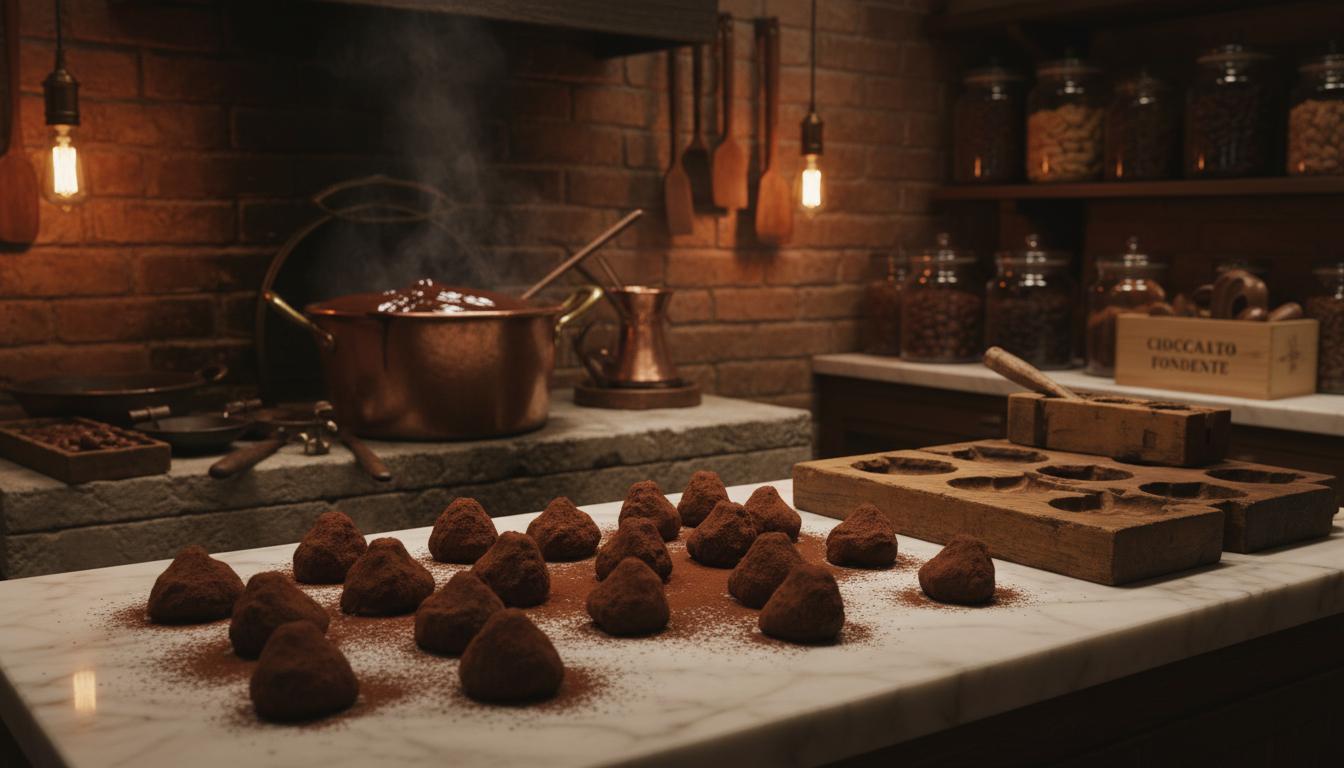 Cultural
Sweetness and Light
Paris and Turin turned sugar into a fine art with schools, rivalries, and masterpieces small enough to eat before lunch.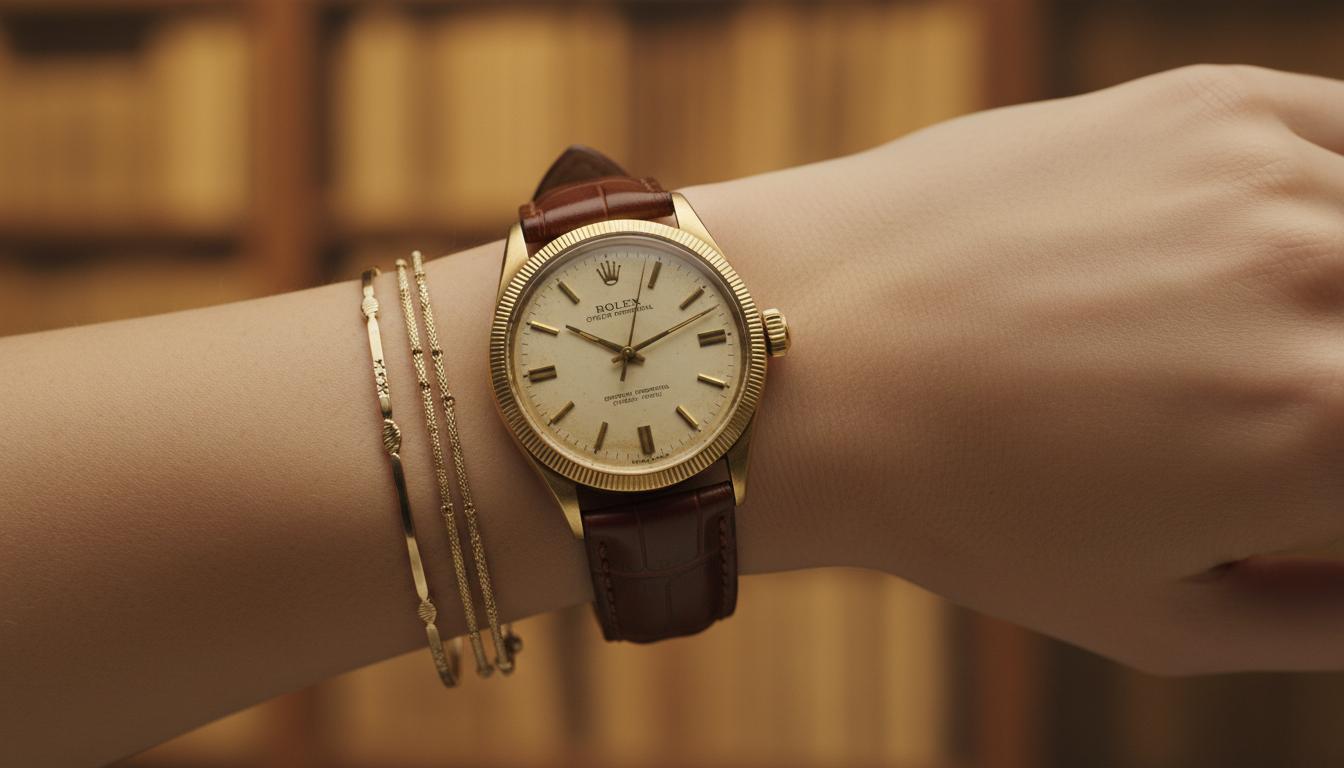 Material Explained
Time, Kept
Three houses — a Geneva institution, a Paris jeweler, a Hamburg pen-maker turned watchmaker — on why the mechanical watch refused to die.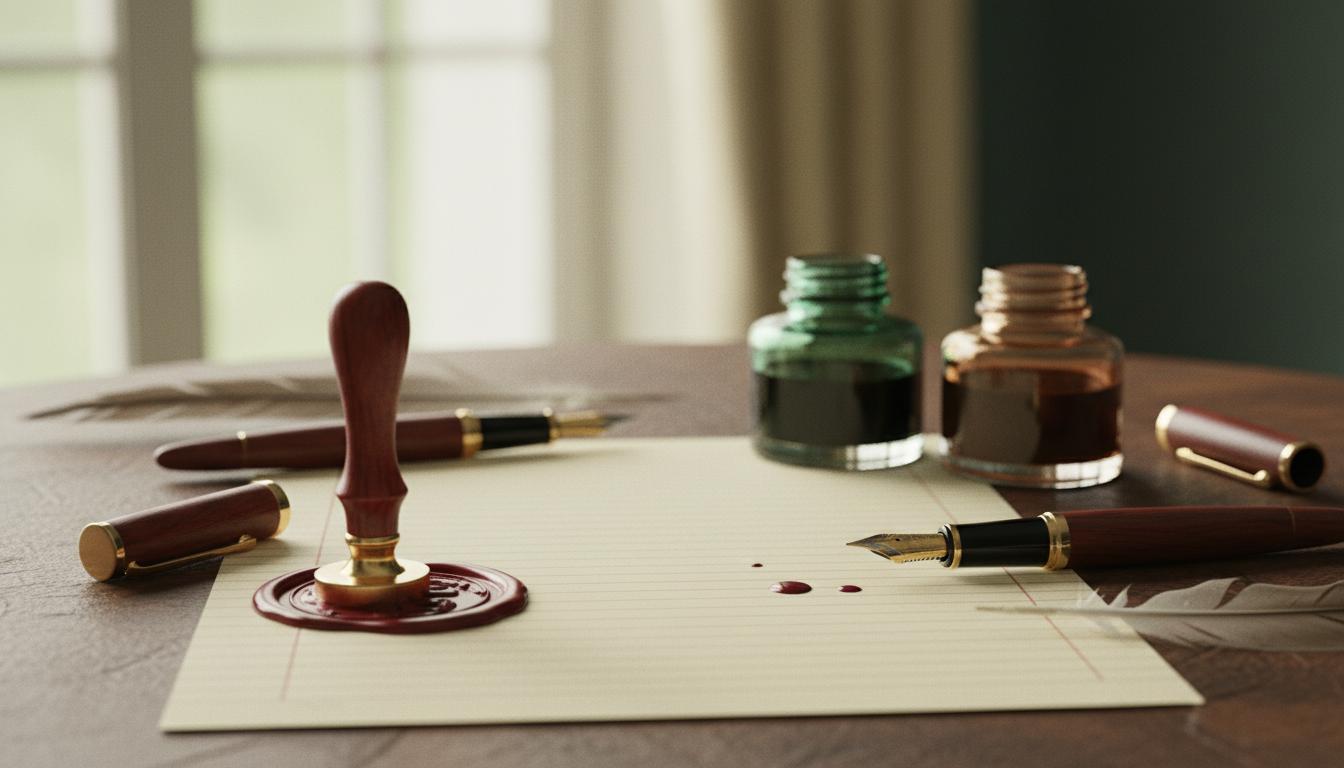 Cultural
The Stationers
In the age of the glowing rectangle, a Bond Street stationer and a Marylebone bookshop make the case for paper — and win. Material Explained
The Fiber Lords
Four Italian houses built empires not on design but on thread — buying the world's finest fibers at auction and daring anyone to feel the difference. Material Explained
Made for Rain
Britain's foul weather produced its finest crafts — a coat born in the trenches and shoes built in Northampton to outlast their owners. Material Explained
The Island of Fire
Venice exiled its furnaces to Murano seven centuries ago — and the island has been outliving empires ever since, one impossible object at a time.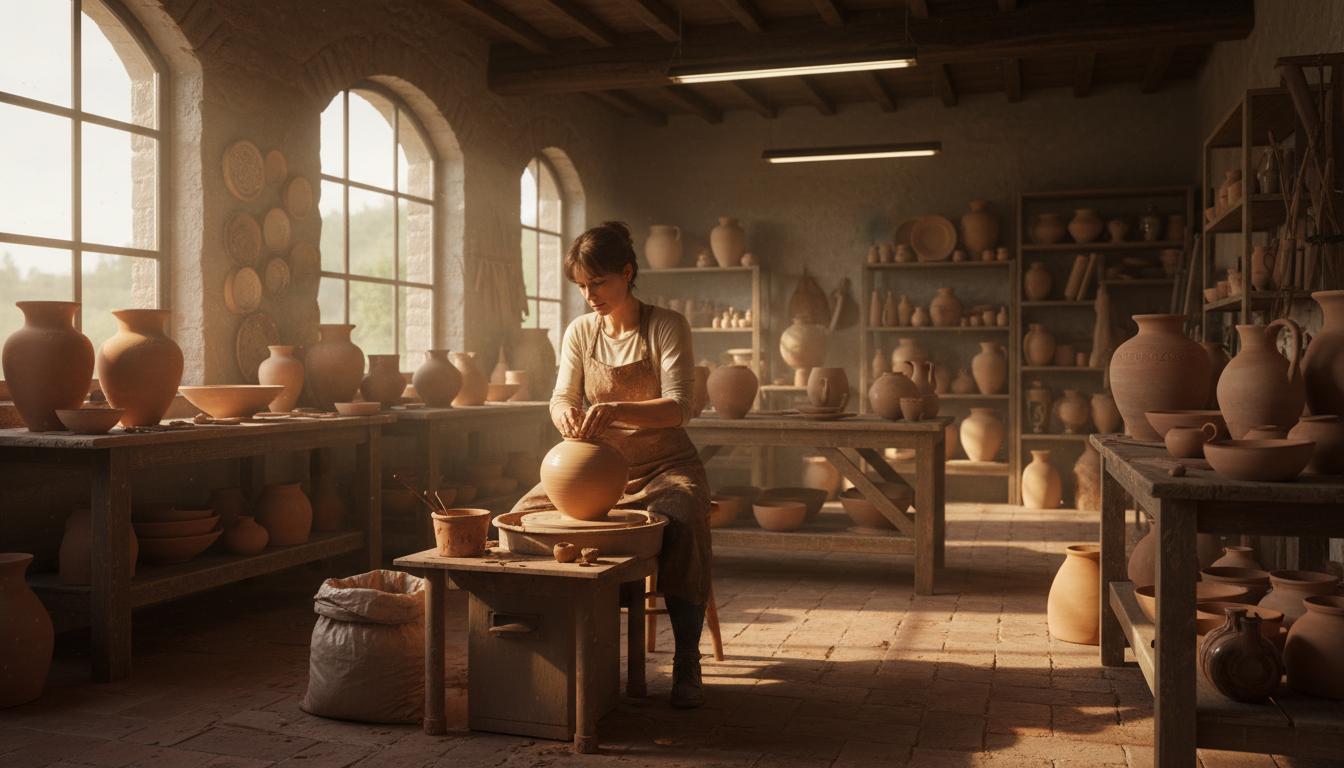 Material Explained
White Gold
Europe went porcelain-mad chasing China's secret — and the courts that cracked it built manufactories still firing today. Cultural
The Grappa Line
Italy's fiercest spirits were born thrifty — pressed grape skins, mountain herbs, a bridge in the Veneto — and three houses still hold the line.Material ExplainedThe Umbrella Men
A dying trade with a five-generation Neapolitan, a royal warrant holder, and two French houses that refused the collapsible future. Material Explained
The Perfumed Islands
In the Indian Ocean, rum, tea, and ylang-ylang are still made where they grow — by families who never saw a reason to leave. Cultural
Direct From the Hands
From Cairo to Colombo to Dublin to Accra, a generation of shops rebuilt the oldest retail idea: the maker, the counter, and nothing in between. Trends
The Hat Comes Back
Rome, St James's, and Manchester never stopped blocking hats by hand — and the bare-headed century is quietly ending. Cultural
Buying the Danish Century
Copenhagen sells its golden age three ways — at the dealer's vault, the design department store, and the silversmith where it started. Route Walk
The Riviera Route: Cannes to Monaco
The most glamorous retail coastline in Europe, driven east to west — La Croisette to the Rocher, verified stop by stop.TrendsThe American Workwear Revival
How blue-collar cloth became the creative class’s uniform — traced through the heritage houses in our register.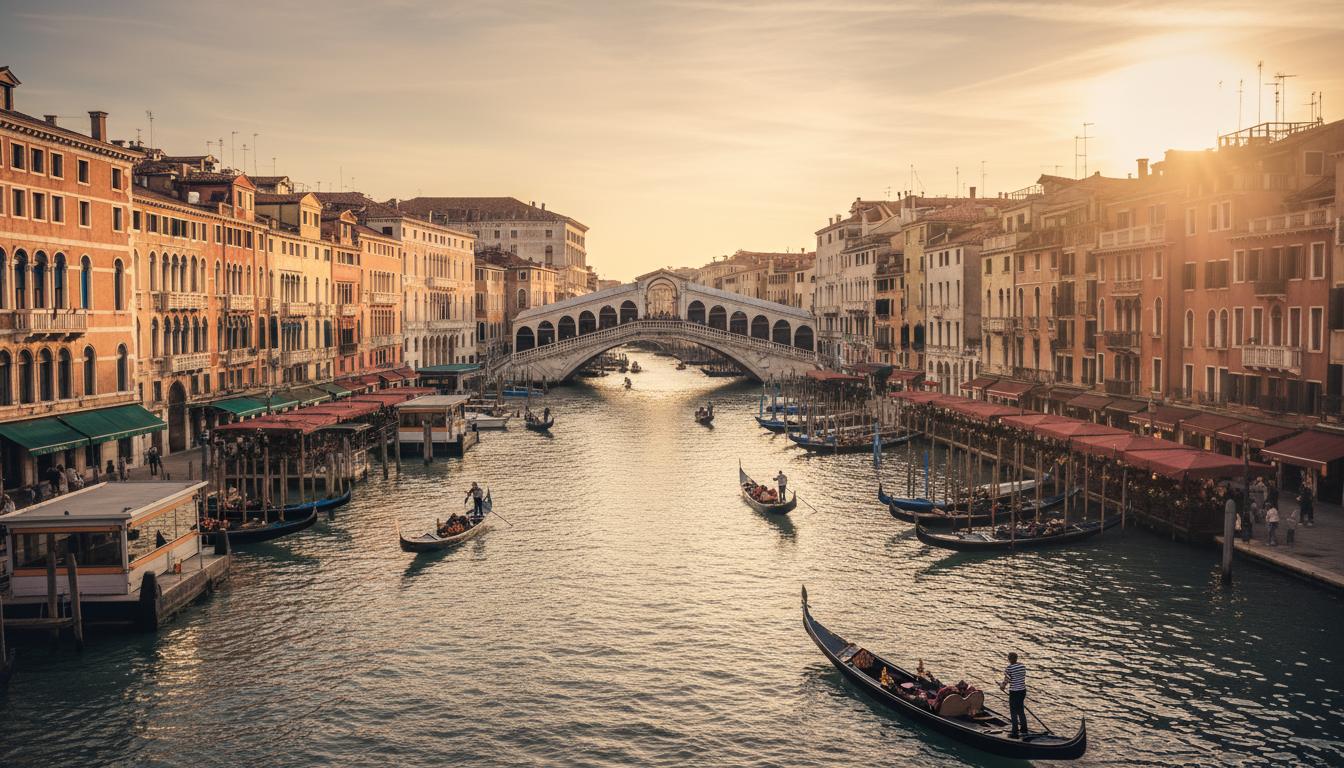 Cultural
Silk Road Textiles: From Samarkand to the Rialto
The route that dressed Renaissance Europe — and the Venetian counters where its echo is still for sale. Material Explained
Shell Cordovan: The Leather That Ages Like Wine
A membrane, not a hide; a six-month tannage; a ripple instead of a crease — why cordovan devotees never go back. Brand Deep-Dive
The Antwerp Six: How Belgium Rewrote Fashion
Six Royal Academy graduates, one rented truck to London, 1986 — and the Low Countries’ permanent seat at fashion’s table. City Guide
Grasse: Where Perfume Still Begins
The Provençal hill town that grows, distills, and teaches the world’s scent — and the houses that carry its work.Material ExplainedHand-Welted vs. Goodyear: An Honest Comparison
Both are rebuildable, both are serious — one is a machine method, one is a hundred stitches by awl. What you actually gain. Trends
After Quiet Luxury: What Comes Next
The logo retreat of the mid-2020s reshaped every register in this atlas. Where the pendulum points for 2027. Brand Deep-Dive
Santa Maria Novella: Four Centuries of Florentine Alchemy
Founded by Dominican friars, patronized by a Medici queen — the world’s most storied pharmacy, visited properly. Cultural
The Okayama Obsession: Why Japan Weaves the Best Denim on Earth
Kojima’s shuttle looms, natural indigo, and the postwar apprenticeship that out-Americaned America. Cultural
Why Every Italian Man Owns Twelve White Shirts
A cultural anatomy of the Italian shirt drawer — rotation, laundering, collar rolls, and the arithmetic of sprezzatura.Brand Deep-DiveBuly 1803: The Apothecary as Theatre
Water-based perfumes, painted ceilings, calligraphed labels — how a resurrected 19th-century Parisian pharmacy rewrote beauty retail. Material Explained
The Humble Button: Why Mother-of-Pearl Changes Everything
Trocas shell versus plastic is the fastest tell in shirtmaking — how to spot it, why it matters, who still sews it on.Material ExplainedWhy Vicuña Costs $6,000 a Meter
The rarest wool on earth comes off a wild Andean animal that can be shorn once every three years. The economics, explained. Brand Deep-Dive
E. Marinella: The Tie That Outlasted Every Trend
A kiosk-sized shop on the Riviera di Chiaia has dressed presidents and doges of industry since 1914 — the ORBIS deep-dive. Method
How This Atlas Is Made
17,862 stores, every link verified by hand, no advertisers, no placements — the ORBIS method, explained by its editors. Trends
The Department Store Is Not Dead
Reports of the grand magasin’s demise, reconsidered — the great hubs that reinvented themselves and still earn a full morning.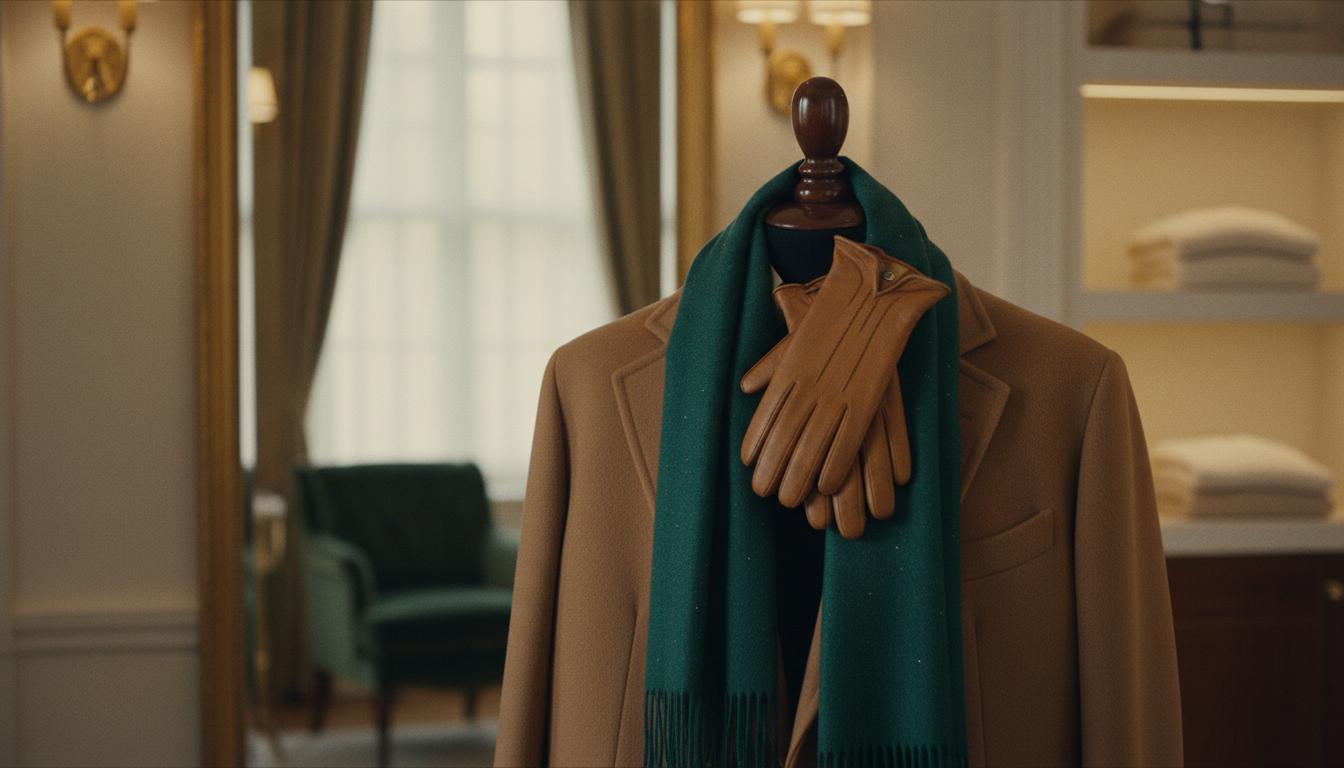 Seasonal
Gloves: Measure Now, Thank Yourself in October
August is when glove-makers take bespoke orders for autumn delivery. How to measure, what leathers mean, who still cuts by hand. From the Tiers
ORBIS Picks: First-Timer’s Paris
If you have one day and no list: the editor’s tier of Parisian doors that explain the whole city in five stops.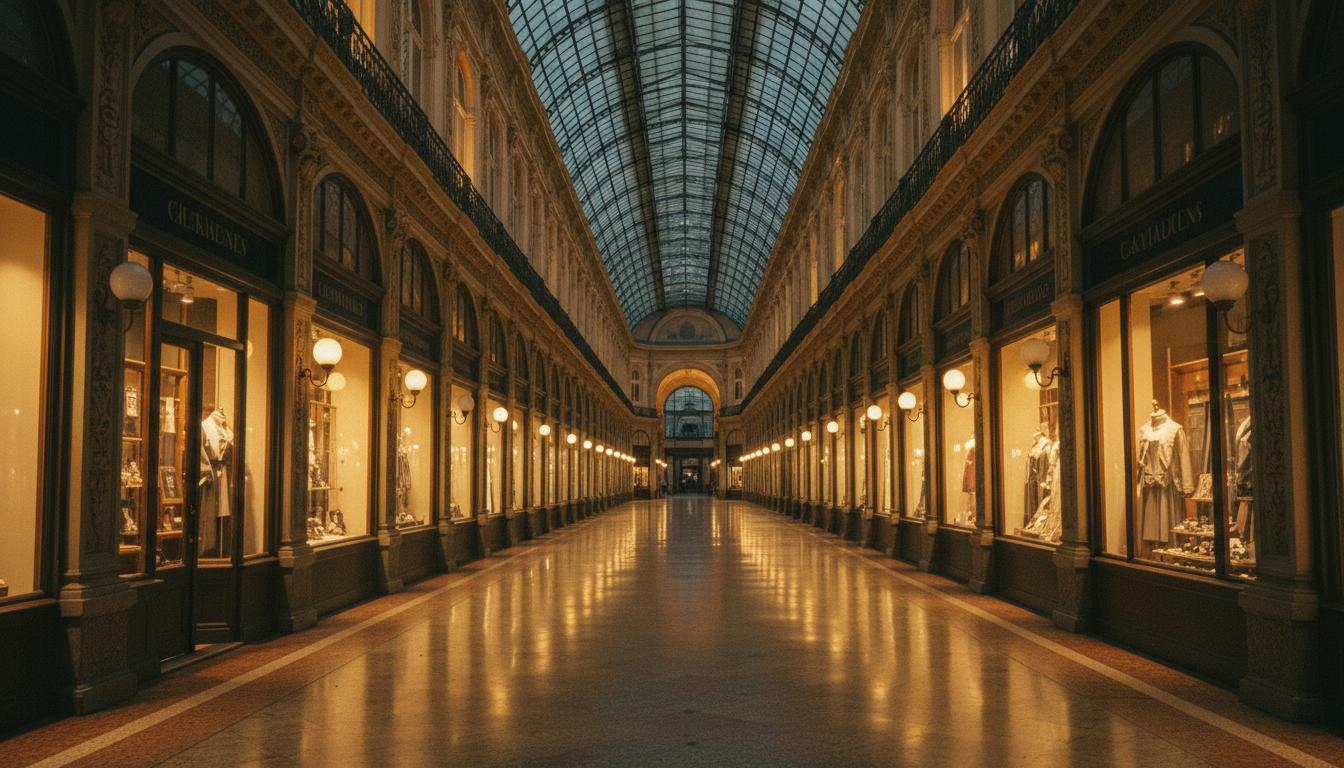 From the Tiers
Streets Where Icons Cluster
A few hundred meters of pavement holding three or more Icon-tier houses — the atlas’s highest-density shopping streets. Seasonal
Ferragosto: When Italy Closes
August 15th shutters half of Italy. What stays open, what to buy beforehand, and how to shop the ghost cities gracefully. Route Walk
Madison Avenue to Downtown: Two New Yorks
Uptown polish, downtown edge — one route that stitches Manhattan’s two shopping personalities into a single day. Seasonal
Fragrance for the Furnace
Colognes, waters, and the science of smelling composed at 35°C — what the old houses recommend for high summer. Route Walk
Florence in Half a Day, Honestly
Between the Duomo crowds there is still a craftsman’s Florence — leather, paper, and perfume in one walkable morning. From the Tiers
The Oldest Doors in the Atlas
Founding dates that read like history exams — the most ancient shops we track, and why longevity concentrates in certain trades.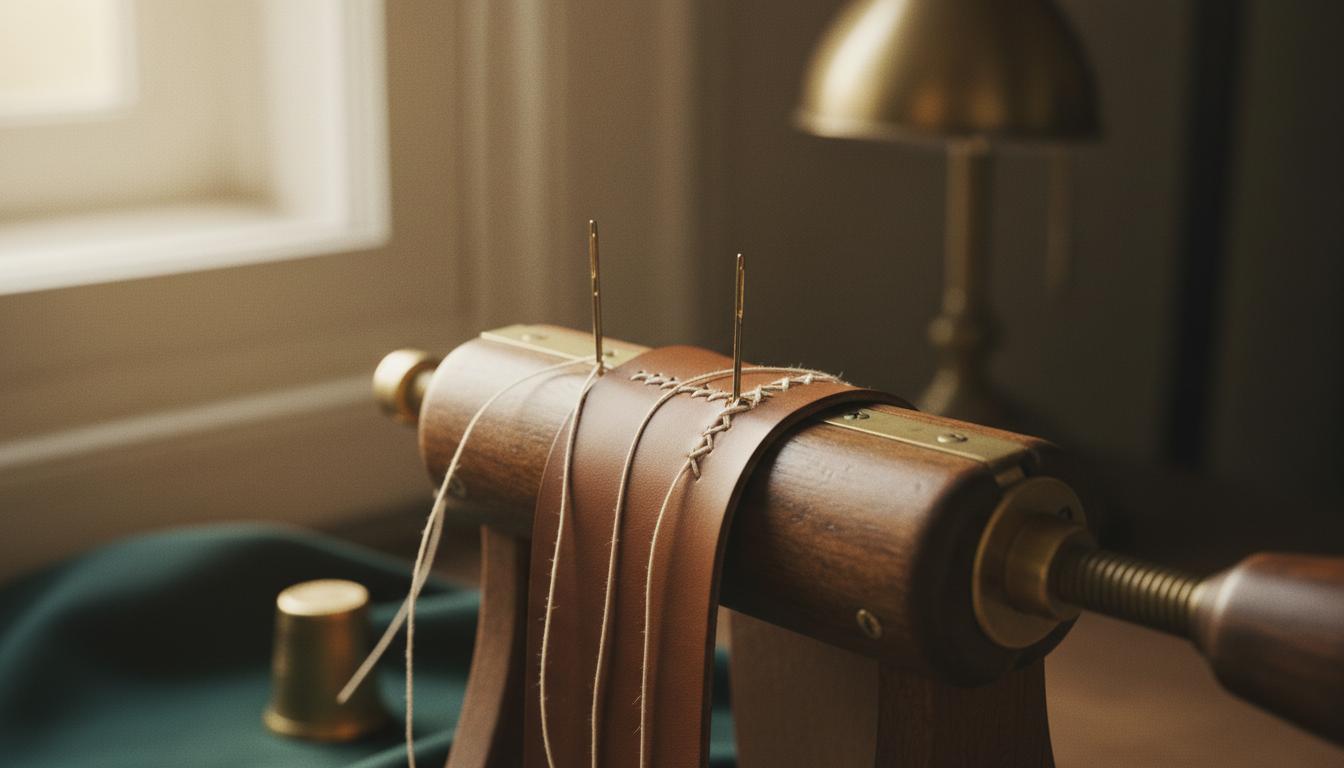 Seasonal
Satchels, Seriously
Back-to-school is upon the northern hemisphere. A case for buying the leather bag once — at twelve or at forty. Route Walk
The Quadrilatero in Half a Day
Milan’s golden rectangle, walked with intent: four streets, world capital density, and a route that skips the queues. Material Explained
The Straw Hat Truth
Panamas come from Ecuador, the best blocks are European, and August is when you finally need one. A buyer’s primer. Route Walk
Nine Streets, One Afternoon
Amsterdam’s canal-ring shopping district in a single unhurried loop — cheese, denim, and Dutch design between bridges. From the Tiers
Worth a Detour: Literally
Shops the atlas rates worth changing your itinerary for — remote, inconvenient, and absolutely justified.City GuideGinza After Dark
When the department stores close, Ginza’s second act begins — stationery towers, denim dens, and twelve floors of temptation.SeasonalEspadrilles: August’s Only Sensible Shoe
Rope soles, canvas uppers, queue out the door — why the espadrille owns late summer and where it’s still braided on site.City GuideCopenhagen, Carry-On Only
Danish design that fits in an overhead bin — what to buy in Copenhagen when you must carry every gram home. From the Tiers
Five Icons, One Wardrobe
If the atlas’s Icon tier dressed one man: five houses whose work anchors everything else you’ll ever buy. City Guide
Vienna’s Imperial Counters
Court confectioners, glove-makers, and the great café tradition — shopping Vienna like the empire never ended.SeasonalShopping Paris in August: The Truth
Half the city closes for les vacances. Here’s what stays open, what locks until September, and how to plan around Ferragosto’s French cousin. From the Tiers
The Online-Only Greats
No doorbell, no fitting room, no compromise — the atlas’s finest houses that exist purely on the wire.Material ExplainedVegetable vs. Chrome: The Tanning Question
Two ways to turn hide into leather — one slow and living, one fast and stable — and what each means for your bag in ten years. City Guide
Kyōto’s Quiet Masters
Knives with your name in the steel, tea in centuries-old caddies — the Kyōto workshops where craft is a family verb.SeasonalWedding-Guest Season: A Field Kit
July and August are ceremony country. The atlas’s field kit for dressing as a guest — respectful, seasonal, repeatable.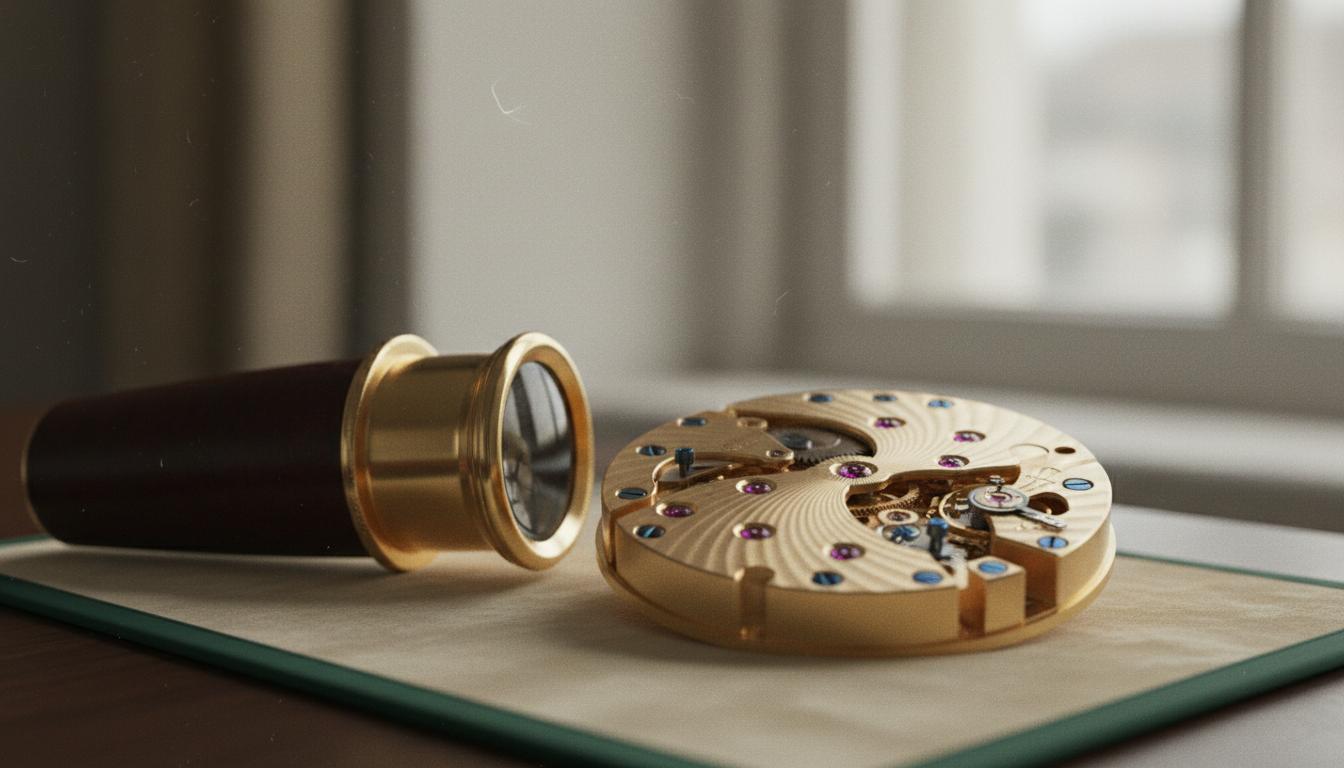 Material Explained
Manual, Automatic, Quartz: Movements Without Mystique
A plain-language guide to what actually ticks inside a fine watch — and where to see movements treated as architecture. City Guide
Madrid Before Dinner
The golden two hours before a 10pm Spanish dinner — capes, fans, turrón, and the last great generalist shops of the Sol.Material ExplainedCashmere: Grades, Gauges, and Honest Prices
Why two identical-looking sweaters differ by a factor of ten — fiber length, micron count, and the mills that don’t cheat. Cultural
Naples and the Soft Shoulder
How one city unstiffened the suit — and where the Chiaia dynasties still cut jackets that move like cardigans.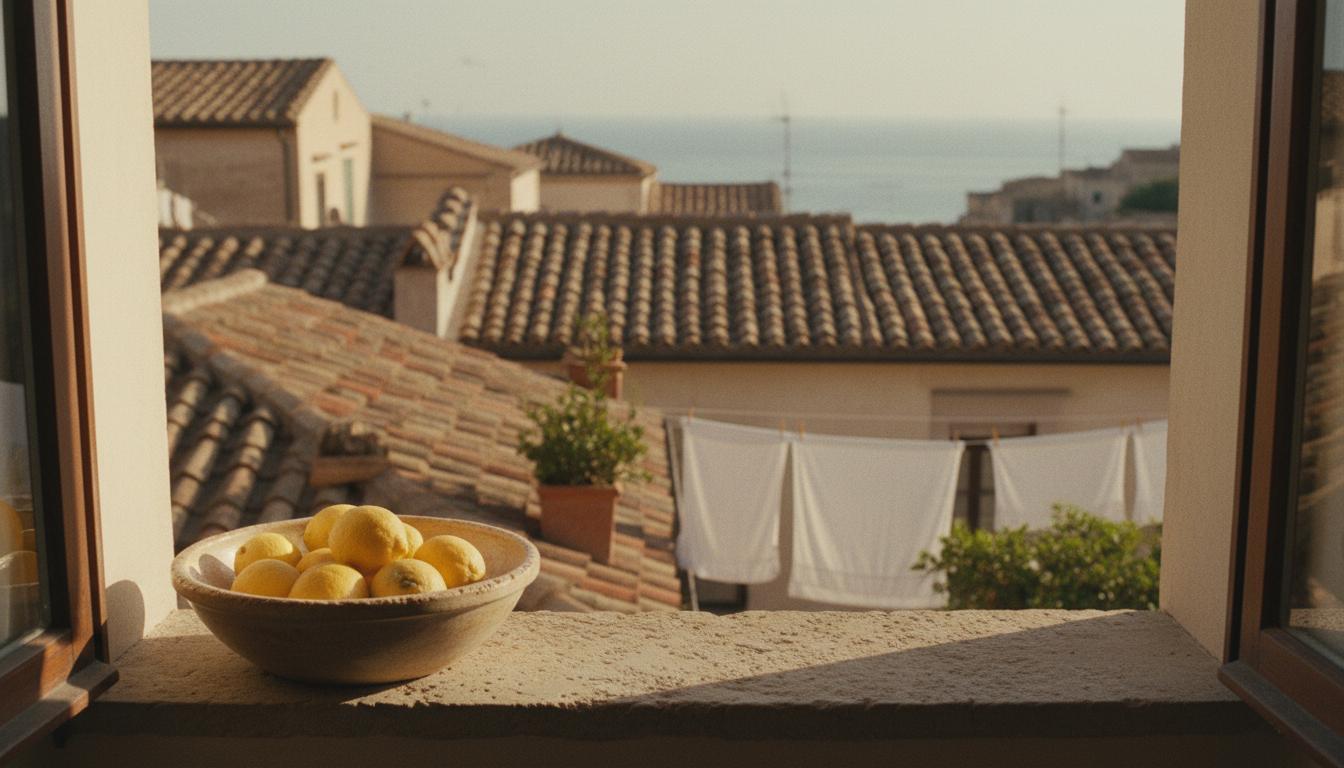 From the Tiers
Hidden Gems of Italy: The Unfamous Excellent
Small Italian houses with no marketing department and no equal — the atlas’s Hidden Gem tier, mapped south to north.Material ExplainedEdT, EdP, Extrait: Concentration Without Confusion
The difference between eau de toilette, eau de parfum, and extrait — and why the oldest pharmacies still blend the best.Material ExplainedSelvedge: Reading the Red Line
What the self-edge actually tells you about denim — looms, weight, fades — and where the Japanese masters sell it. City Guide
A Morning on Jermyn Street
Shirts, scent, and cheese before noon: the compact London street that dresses a certain kind of Englishman. From the Tiers
Older Than Nations: Houses Past Their 250th Year
A roll call of shops that have outlived empires — the atlas’s most venerable Heritage Houses, still trading.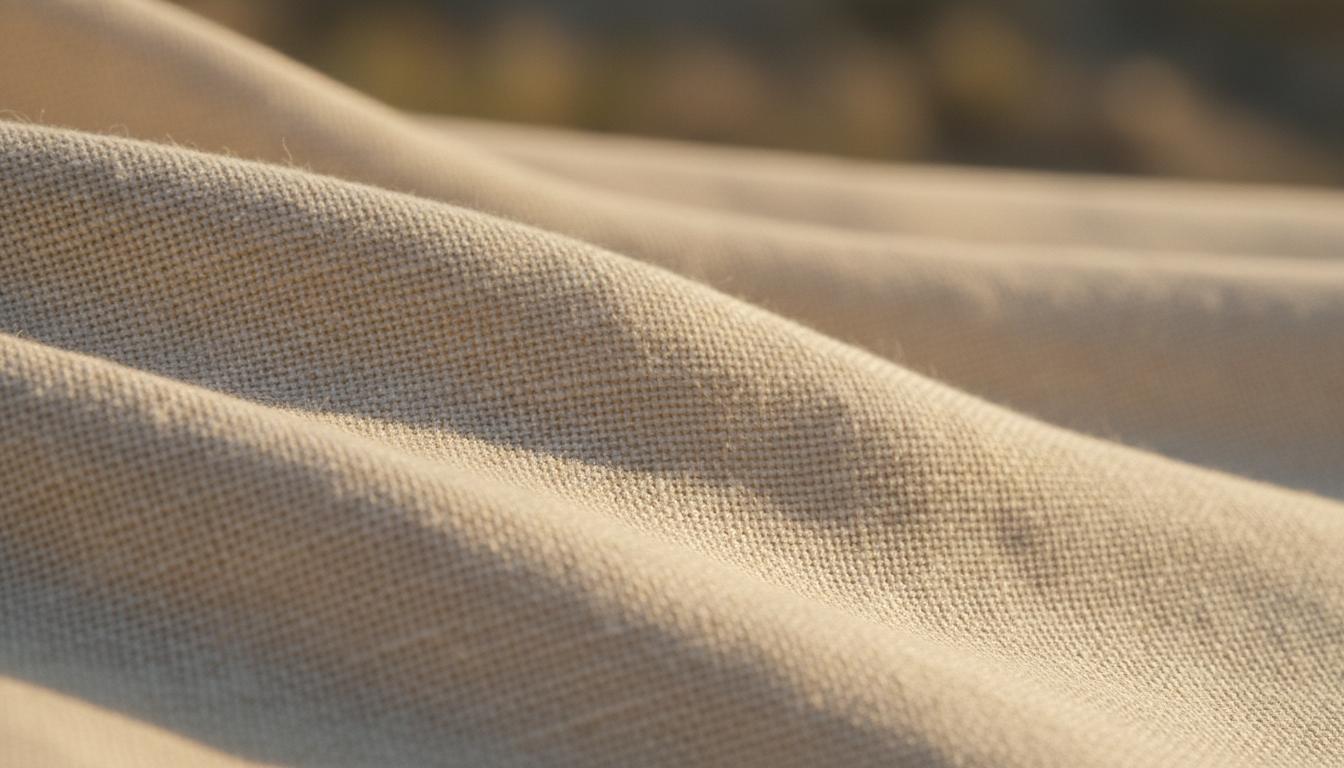 Seasonal
Linen Season: Care, Creases, and Conviction
Mid-July is linen’s kingdom. How to buy it, wash it, and wear its wrinkles like a decoration.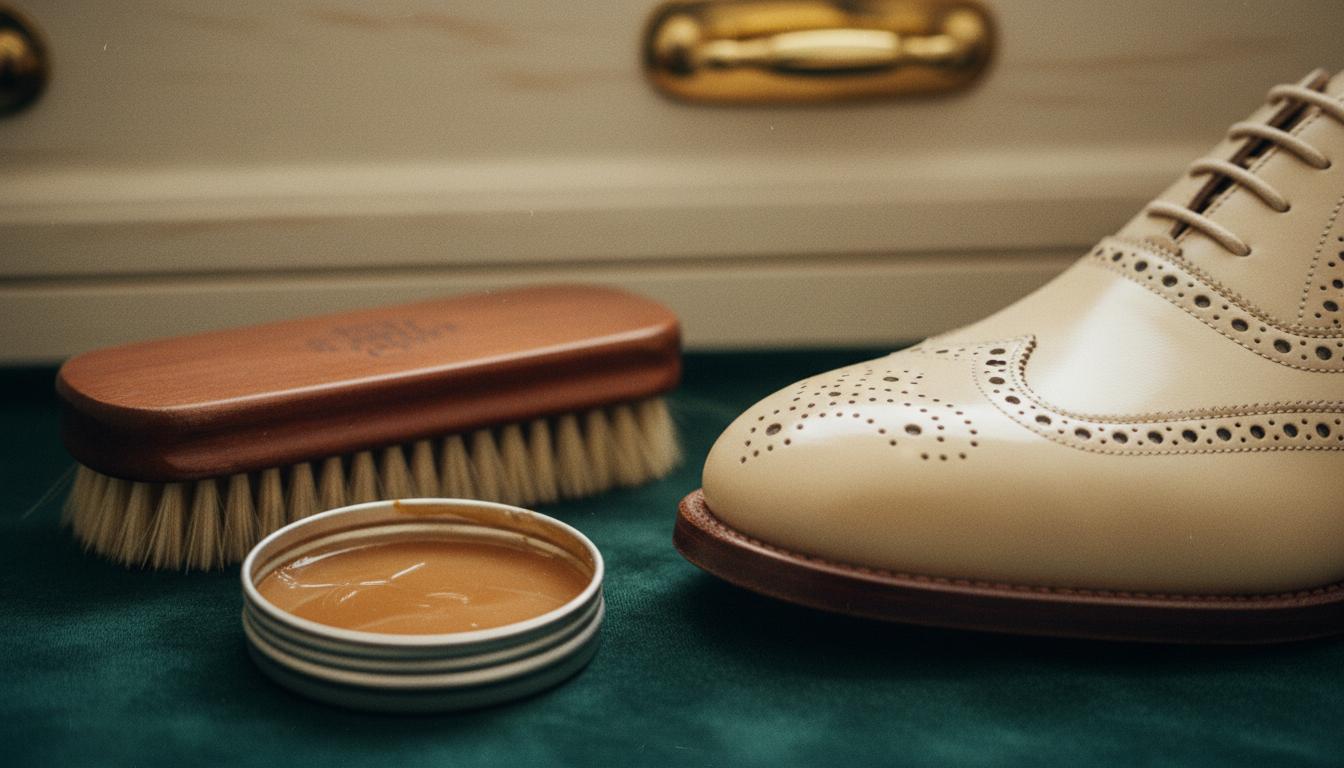 Material Explained
Goodyear, Blake, Norvegese: A Welt Glossary
Three constructions decide how a fine shoe lives, ages, and repairs. Learn to read the welt before you read the price tag.CulturalThe One-Piece Collar: A Worldwide Hunt
The OPC shirt — collar and body cut from a single piece of cloth — and the shortlist of shirtmakers who still dare to make it. Route Walk
Bastille Day on the Rue Saint-Honoré
A three-hour July 14th walk through Paris’s most storied shopping mile — what’s open, what’s worth it, in ORBIS order.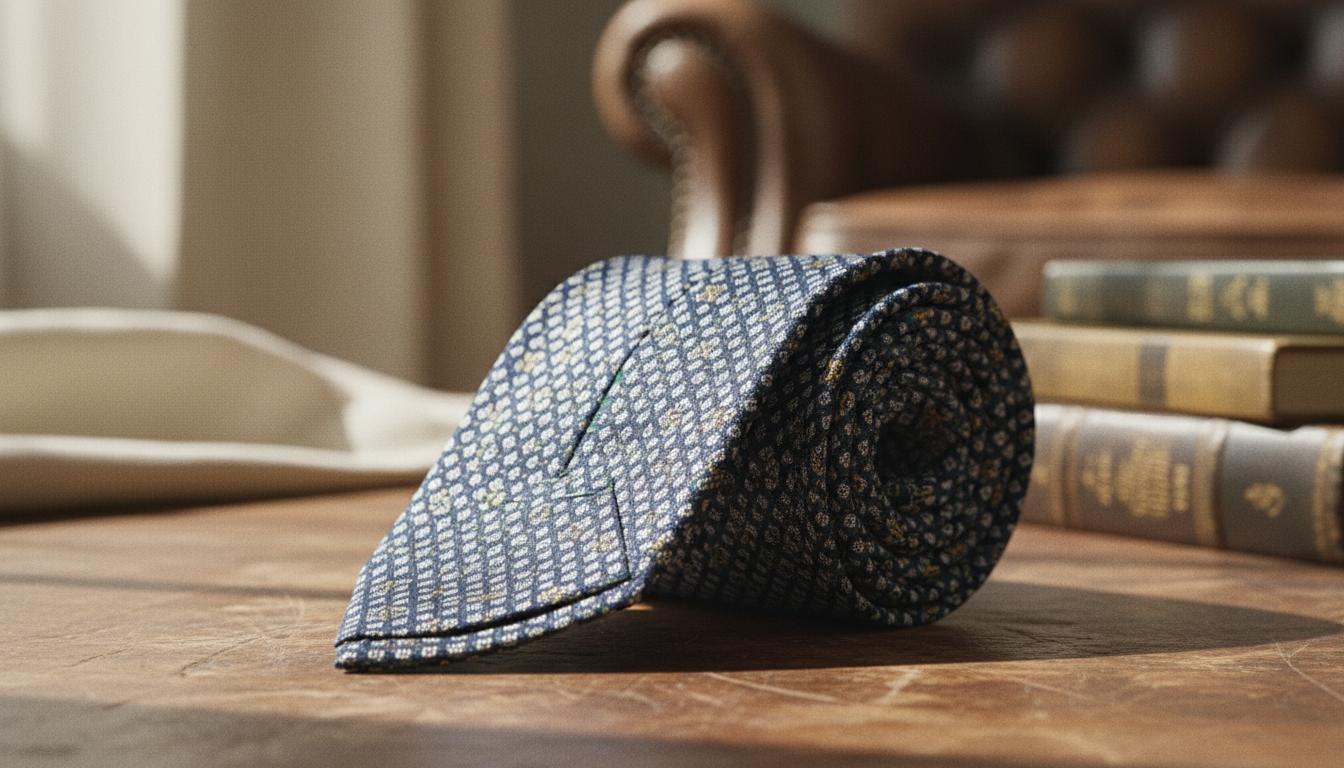 Material Explained
The Seven-Fold Tie, Explained
Why a tie made from a single folded square of silk — no lining, no shortcuts — remains menswear’s quietest flex.SeasonalLes Soldes: Shopping the Final Week Like a Local
How to work the last days of the French summer sales — where discipline beats frenzy, and which Paris houses reward patience.New buyer intelligence
City features and practical buying guides
- Amman: Buy the Civic Thread — Feature
- Amsterdam: Buy the Second Draft — Feature
- Appraisals, Insurance and Ownership Records — Foundational Authority
- Athens: Make a New Argument With Antiquity — Feature
- Bangkok: Begin With the Material Map — Feature
- Barcelona: The Structure Under the Ornament — Feature
- Beijing: Learn the Sequence Before Buying the Symbol — Feature
- Berlin: Buy the Visible Seam — Feature
- Brussels: Buy the Independent Edition — Feature
- Buenos Aires: Fit Before Mythology — Feature
- Care Instructions Are Part of the Object — Foundational Authority
- Chicago: Buy the Structural Decision — Feature
- Climate Changes the Object — Foundational Authority
- Colombo: Colour With a Paper Trail — Feature
- Copenhagen: The Long Test — Feature
- Counterfeit, Replica, Reproduction and “Inspired By” — Foundational Authority
- Dubai: The Platform Is Not the Provenance — Feature
- Dublin: Buy the Living Voice — Feature
- Edinburgh: Buy the Working Tradition — Feature
- Edition, Limited Edition and Open Edition — Foundational Authority
- Geneva: The Watch Is a Future Appointment — Feature
- Granada: Buy the Process Behind the Ornament — Feature
- Hamburg: The Port Is Not the Origin — Feature
- Ho Chi Minh City: Buy the Production Bridge — Feature
- Hong Kong: Buy the Local Edit — Feature
- How to Buy Food to Bring Home — Foundational Authority
- How to Buy Leather Without Getting Lost in Vague Grades — Foundational Authority
- How to Buy Textiles Without Guessing — Foundational Authority
- How to Buy Vintage and Antiques Without Buying the Story — Foundational Authority
- How to Evaluate a Bespoke Order — Supporting Article
- How to Judge Price and Value Without Pretending There Is One Formula — Foundational Authority
- How to Pack Fragile and Valuable Purchases — Foundational Authority
- How to Read a Gemstone Report — Foundational Authority
- How to Read Sustainability Claims Without Buying a Halo — Foundational Authority
- How to Shop a Market Without Letting the Market Authenticate the Stall — Foundational Authority
- Indigenous and Community Authorship — Foundational Authority
- International Returns, Shipping and Service: Ask Before the Box Leaves — Foundational Authority
- Istanbul: Attribution Before Negotiation — Feature
- Jaipur: Documentation Before Dazzle — Feature
- Kyoto: Perfection Is a Verb — Feature
- Licensing and Authorized Merchandise — Foundational Authority
- Lisbon: Buy Continuity, Not Nostalgia — Feature
- Los Angeles: Buy the Credit Sequence — Feature
- Madrid: Spain's Comparison Room — Feature
- Marrakech: Separate the Souk From the Workshop — Feature
- Melbourne: Buy the Maker Network — Feature
- Mexico City: Keep the Region Attached to the Object — Feature
- Milan: The City That Edits the Factory — Feature
- Munich: The Mechanism Beneath Tradition — Feature
- Museum Edition vs Reproduction: How to Read the Label — Supporting Article
- New York: Buy the Production Relationship — Feature
- Osaka: Buy the Working Edge — Feature
- Repair Is Part of the Purchase — Foundational Authority
- Rome: Buy the Living Intervention — Feature
- Seoul Tries It On First — Feature
- Shanghai: Buy the City’s Translation — Feature
- Singapore: Buy the Tropical Edit — Feature
- Stockholm: The Room Is the Object — Feature
- Storage Is a Design Decision — Foundational Authority
- Sydney: Buy the Climate Intelligence — Feature
- São Paulo: Buy the Productive Collision — Feature
- Toronto: Buy the Negotiated Identity — Feature
- Venice: Keep the Island Attached to the Object — Feature
- Vienna: The Object Must Earn the Ritual — Feature
- What Does “Made In” Actually Mean? — Foundational Authority
- Who Is the Maker? The Five Roles Behind Every Shop — Foundational Authority
- Wildlife Materials: The Document Before the Object — Foundational Authority
- Zurich: The Edge of the Guarantee — Feature
- “Handmade” Is Not a Complete Answer — Foundational Authority