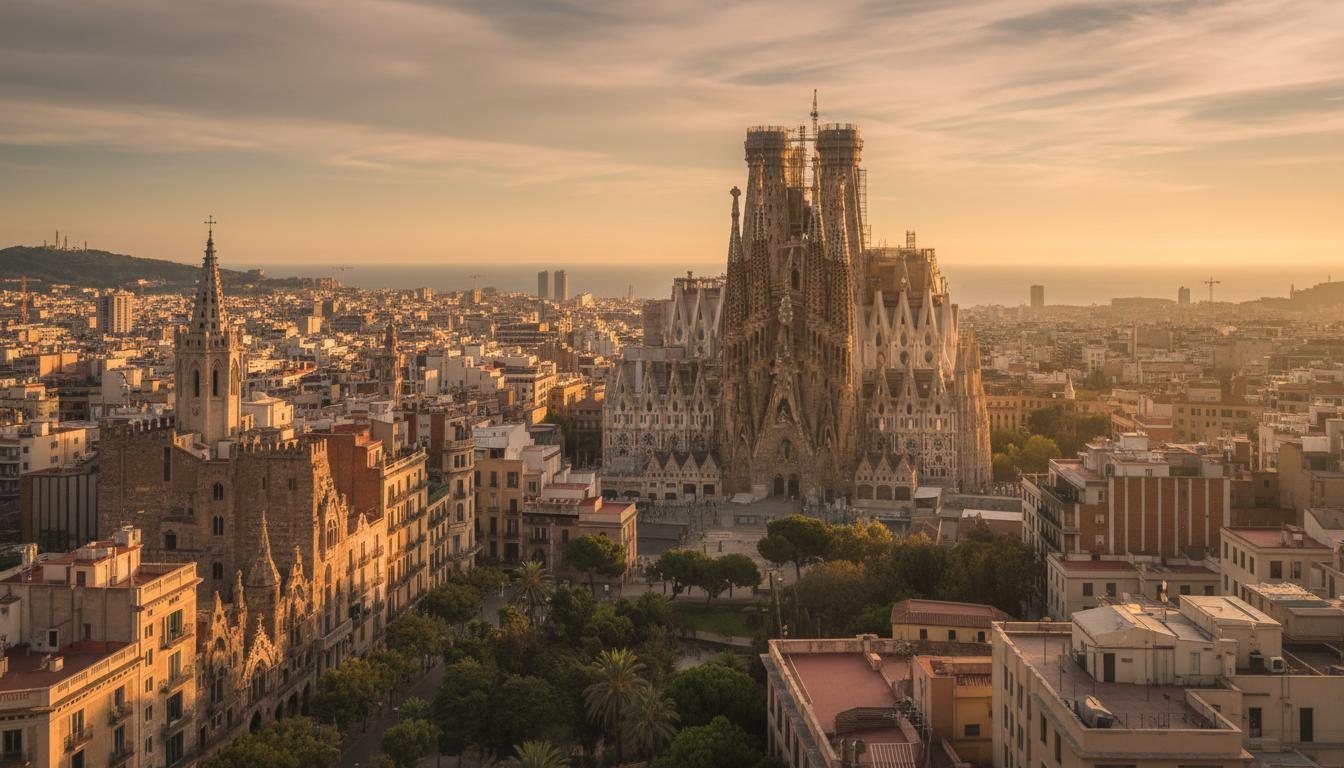
ORBIS city feature
Barcelona: The Structure Under the Ornament
By ORBIS Editorial · Reviewed 1 August 2026
Barcelona is a city in which ornament often advertises structure brilliantly enough to conceal it. Tile, iron, wood, rope and wax become serious only when the joint, load, fit and use beneath the surface are allowed back into view.
Modernisme did not become important because decoration was abundant. Its best work made structure, craft, engineering and domestic life speak to one another. The ornament was not a sticker applied after function; it was part of how material carried load, admitted light, controlled movement or brought the hand into contact with a building.
The souvenir problem is a design problem
A souvenir often isolates the most recognisable sign and removes the system that gave it meaning. Mosaic becomes print. Ironwork becomes outline. Architectural colour becomes packaging. The result can be cheerful and useful, but it should not be mistaken for the same intelligence as the source.
The problem is not that repetition is forbidden. Cities live through repetition. The question is whether a contemporary object has made a new decision or merely rented recognition.
The espadrille as small architecture
An espadrille is a modest structure. Sole, upper, stitching, tension and foot must cooperate. Its value cannot be assessed from a single frontal view because the object completes itself in movement. The fitting at La Manual Alpargatera returns the shoe to that structural truth.
The rope edge has become a global sign of Mediterranean ease, which makes the specialist conversation more important. Where was this pair assembled? What happens when the fibres relax? Can a pressure point be altered? The answers restore engineering to an object that fashion photography has flattened into mood.
Wax makes performance visible
At Cereria Subirà, form is only the beginning. Wick size, wax composition, diameter, draft and burn practice determine whether a candle gutters, tunnels, bends or gives steady light. The old house becomes relevant not because age sanctifies every shape, but because use can still be discussed.
Burning the purchase is not an act of destruction. It is the completion of its design. A candle preserved forever because it looks “too Barcelona” has been converted into a small monument and denied its most intelligent quality.
The oven beneath the package
Casa Gispert offers another useful inversion. The historical interior attracts the eye; the oven, crop and freshness decide the food. Wood roasting can influence aroma and character, yet no method suspends time. The buyer who asks what was roasted recently understands the house better than the buyer who chooses the most decorative tin.
This is the difference between cultural setting and product evidence. Both matter, but they perform different jobs.
Selection is also a form of making
At Vila Viniteca or Librería Altaïr, the object is not necessarily made by the shop. The merchant’s contribution is selection, context and the ability to connect a particular customer with a particular bottle or book. Retail editing is a legitimate authorship when it is named honestly.
The distinction protects makers and merchants alike. It prevents the retailer from borrowing production it did not perform, and it allows curation to be valued as more than passive resale.
Luxury and the independent door
Barcelona encourages a false choice between romantic workshop and international house. The workshop is assumed to possess authenticity; the house is assumed to possess polish. In reality, either can be transparent or vague. A small maker may offer direct adjustment but little formal aftercare. A global brand may manufacture across several countries yet provide strong repair and ownership records.
The buyer should compare the exact chain: designer, manufacturer, retailer, fitter, repairer. Scale changes the chain; it does not decide its honesty.
The market as a lesson in intervention
At Mercat dels Encants, structure appears through wear. A replaced leg, rewired lamp, repaired joint or rebacked book may increase usability while changing originality. Condition is not a morality play in which untouched always wins. It is a record of what happened and whether the object can continue safely.
A good seller should help separate cosmetic history from structural risk. A good buyer should resist turning the market’s atmosphere into provenance.
Repair is ornament’s future tense
The most revealing question may arrive years later: can the object be repaired without destroying the feature that made it desirable? A shoe needs resoling or adjustment, a leather object needs hardware, a candle form disappears through use, a chair needs a joint stabilised. Good design anticipates intervention even when it cannot promise permanence.
Barcelona’s historical buildings survive through maintenance, replacement and skilled interpretation, not untouched purity. The same principle dignifies the everyday purchase. Care is not an embarrassment added after beauty; it is the structure that lets beauty remain in circulation.
The buyer becomes part of the design
Use completes the argument that the shop begins. The espadrille takes the shape of a foot; the candle records its burns; the bottle meets a table; the book changes a route. These alterations are not a fall from pristine retail condition. They are evidence that the object entered life.
This is also why care advice matters. The buyer is not merely acquiring a finished image, but accepting the next structural decisions: how to store, clean, mend, consume or replace. Barcelona’s design intelligence travels best when the owner continues to think in materials and consequences.
What Barcelona teaches the hand
The city’s retail lesson is not to reject ornament. It is to make ornament answer to material, use and authorship. Desire becomes more interesting when it knows what it is touching.
Carry home an object that can survive the removal of every visual cliché: a shoe that fits, a candle that burns correctly, nuts that are fresh, a bottle chosen with judgment, a book that changes the route. The structure beneath the ornament is not hidden. It is simply waiting for the right question.
Ornament travels well when structure travels with it. Barcelona’s enduring lesson is that visual pleasure becomes design only after material and use have agreed.