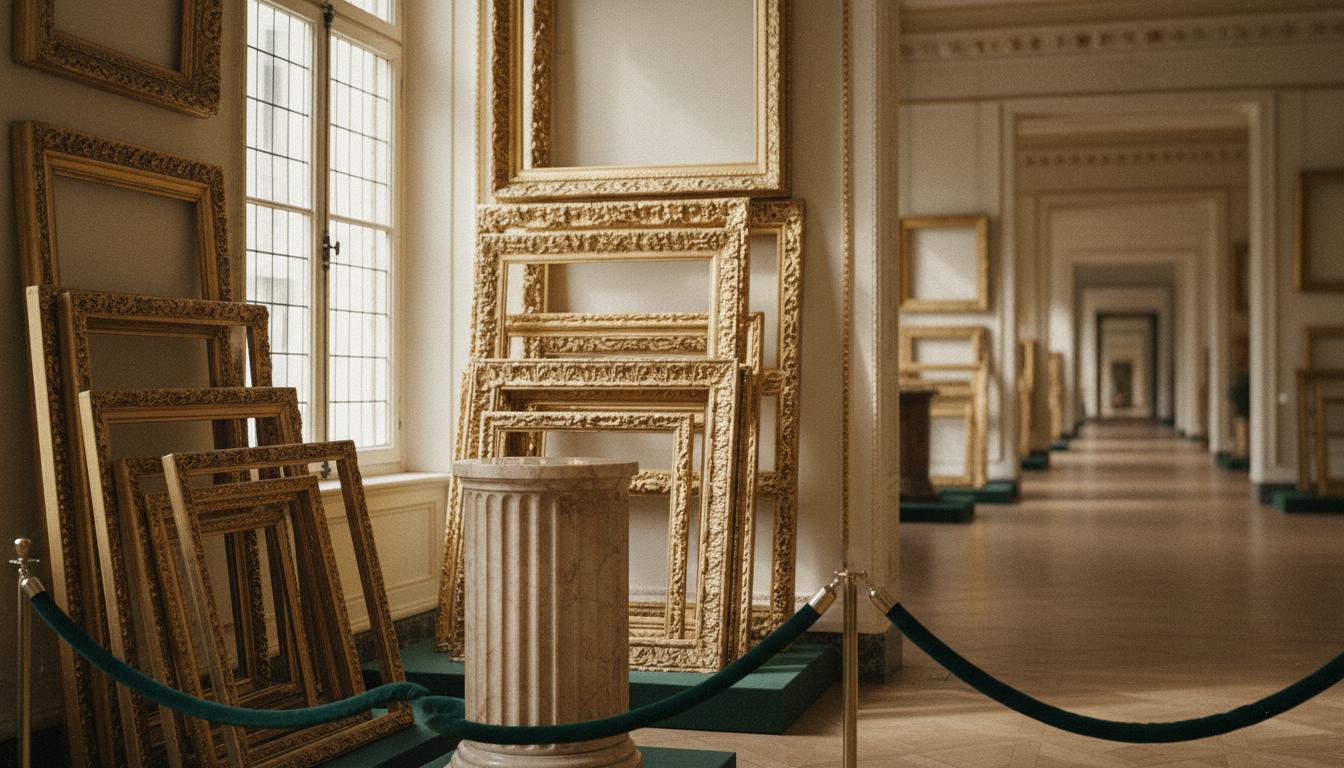
Napoleon's Jeweler
Chaumet's founding client list needs only one name. Marie-Étienne Nitot established the house in 1780 and became Napoleon's official jeweler — responsible for the coronation crown, the consular sword bearing the Regent diamond, and tiaras for both of his empresses, Joséphine and Marie-Louise. The house has traded on that imperial intimacy ever since; Joséphine is not treated as a distant historical muse here but as an active product line, still named and still sold.
The tiara remains the house's defining object. Chaumet has made more than 3,500 of them across its history, and its Place Vendôme salons keep a museum of nickel-silver tiara maquettes on site — a working archive that reads less like a display case and more like a registry of European crowns.
The maison has occupied 12 Place Vendôme since 1812, a building with its own footnote in music history: Chopin died in an apartment upstairs. The grand salon still looks out onto the column cast from cannon captured at Austerlitz, a direct physical line from the house's imperial commission to the square it still occupies.
Modern collections extend the same imperial vocabulary rather than abandon it — the Bee My Love line turns Napoleon's own imperial bee motif into honeycomb pavé, and Liens ties its knots through generations of wedding registers. Two centuries after the coronation it was hired to outfit, Chaumet remains what it originally was: the jeweler of French sovereignty, now sold by the carat rather than commissioned by decree.
Article references
The houses in this story
- Chaumet Paris / Online
Napoleon’s jeweler on Place Vendôme — Joséphine tiaras, Bee My Love honeycombs and imperial heritage. after making Napoleon's coronation sword and Pius VII's tiara, Nitot became jeweller to the imperial court and appointed supplier to Empress Joséphine (block dated 1804–1815). Son François-Regnault moved workshops to Place Vendôme no. 15 in 1812 (now the Ritz). store page → · open in the atlas →