Sweetness and Light
Confectionery is the most democratic of the luxury arts — its masterpieces cost a few euros and are gone in a minute — and precisely because the stakes look small, the craft runs deep. Two cities carry the tradition at its highest pitch, and four houses map it.
Paris first, and the macaron war. Ladurée, a bakery since 1862 whose Rue Royale tea salon helped invent the salon de thé, popularized the double-decker macaron — two almond shells, a seam of ganache — and made the pastel box a global shorthand for Parisian sweetness. Then came Pierre Hermé, fourth generation of an Alsatian baking family, apprenticed to Lenôtre at fourteen, who presented pastry in seasonal collections like couture and rebuilt the macaron's interior life: Ispahan's rose, lychee, and raspberry became one of the few flavor inventions of the modern era to enter the permanent canon. The rivalry between the two houses is a fixture of food journalism and a public service — try both in one afternoon and take a side.
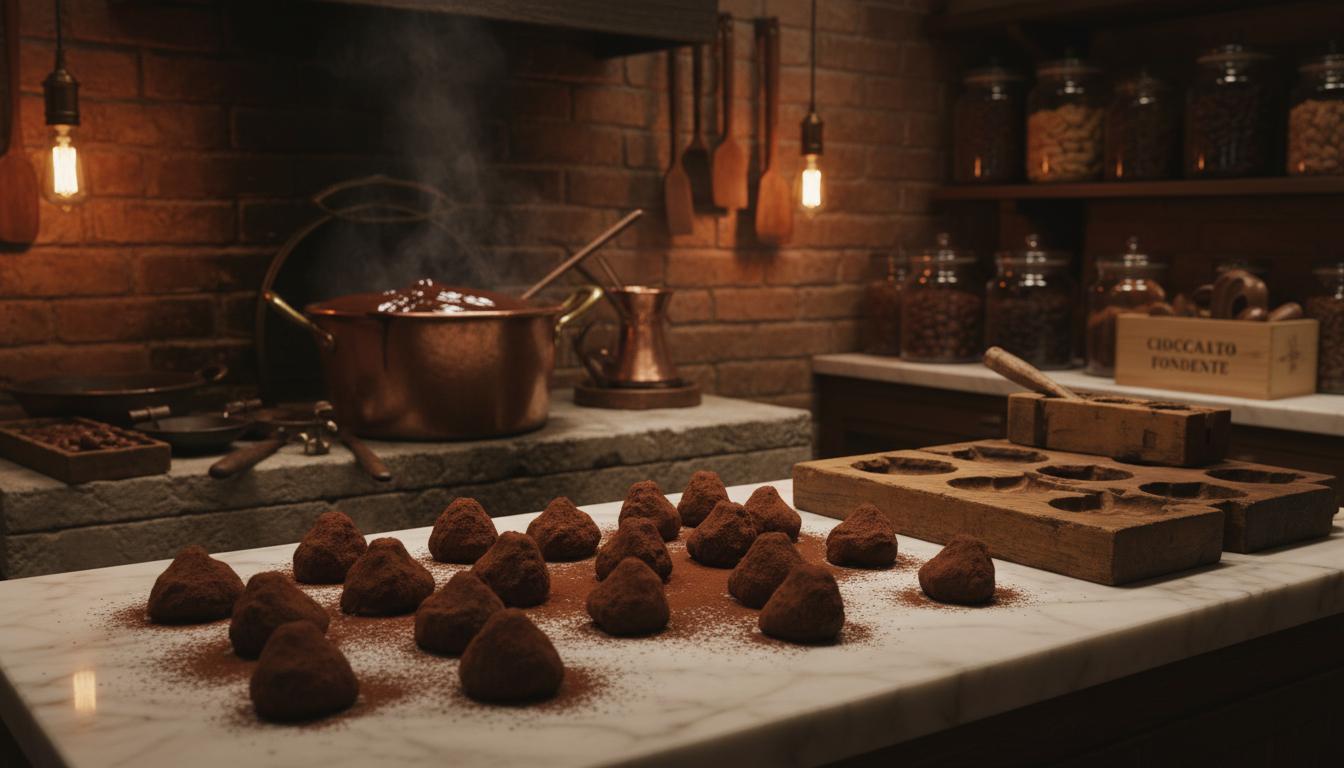
Chocolate belongs to a different temperament, and Robert Linxe defined it. La Maison du Chocolat, founded in 1977, made Paris take ganache seriously: sugar held back, infusions kept precise, the cacao treated like a vintage to be read rather than a sweetness to be amplified. The plain dark ganaches remain the house's entire philosophy in a two-bite form.
Turin answers from the south with hazelnuts. The city invented gianduja — chocolate stretched with Piedmont's exceptional hazelnuts during a cocoa shortage — and Venchi has made it since 1878, from the gold-foiled gianduiotti ingots to gelato counters whose dark-chocolate sorbets rank with any in Italy. A box of gianduiotti is Turin's most reliable edible export, and the taste explains two centuries of local devotion in one melt.
The deeper pleasure of this circuit is watching a supposedly minor art behave like a major one: schools and successions, signature works, house styles recognizable blind. Buy small, eat immediately, and honor the one rule every house agrees on — macarons do not survive travel, and were never meant to.
Article references
The houses in this story
- Ladurée Via Borgognona, Rome / Online
The Parisian macaron maison since 1862 — pastel towers, double-decker macarons and salon-de-thé romance. Pierre Desfontaines, Louis-Ernest Ladurée's second cousin, joined two macaron shells with a filling; Jeanne Souchard (Ernest's wife) is credited with creating one of the first Paris tea rooms at Rue Royale. store page → · open in the atlas → - Pierre Hermé Rue du Faubourg Saint-Honoré, Paris
Faubourg Saint-Honoré anchor: Pierre Hermé offers sweets, pantry goods, chocolate, tea, biscuits, condiments, or food gifts. store page → · open in the atlas → - La Maison du Chocolat Rue du Faubourg Saint-Honoré, Paris
Faubourg Saint-Honoré anchor: La Maison du Chocolat offers sweets, pantry goods, chocolate, tea, biscuits, condiments, or food gifts. store page → · open in the atlas → - Venchi Turin / Online
Turin chocolate house founded in 1878 by 20-year-old Silviano Venchi, who began experimenting with chocolate after buying two bronze cauldrons; Nougatine became an early signature. store page → · open in the atlas →