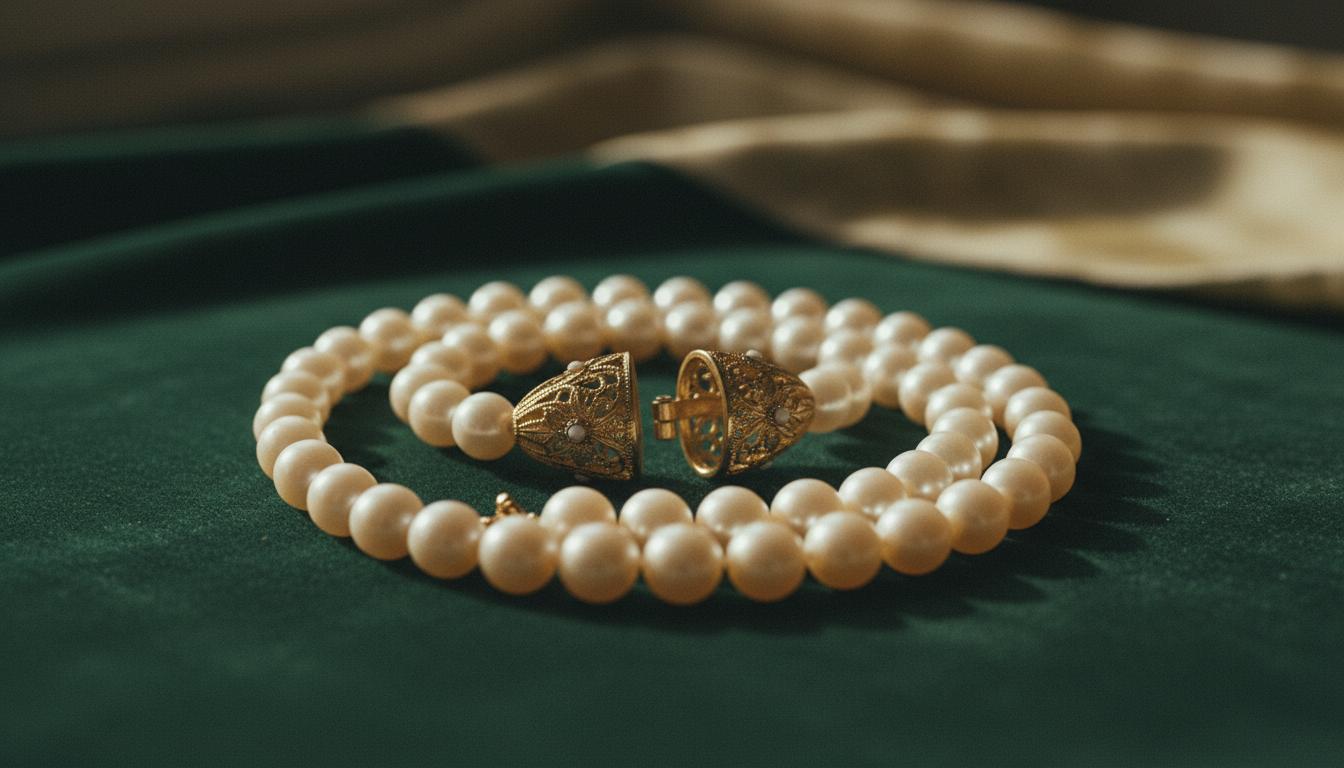
The Pearl Roads of Polynesia
The Tahitian black pearl is one of the few luxuries on earth that cannot be hurried, faked, or relocated. It grows only inside the black-lipped oyster, Pinctada margaritifera, and the oyster thrives only in the clean, slow-moving lagoons of French Polynesia — which means the entire supply chain of one of jewelry's most coveted materials runs through a scatter of atolls most buyers will never see. Going to the source is not a detour here; it is the whole point.
Rangiroa, the largest atoll of the Tuamotus, is the natural gateway. On its Avatoru side, Gauguin's Pearl runs a working farm where visitors watch the grafting itself — the surgical insertion of a nucleus into a living oyster, the act on which the next two years of patience depend — before the boutique sells loose pearls and custom pieces with certificates from the very lagoon outside the window. Across the water, Kamoka Pearl farms with a purist's conviction: oysters cleaned by fish rather than machines, pearls shaped by the lagoon's own chemistry, a name that circulates among jewelers who care where things come from.
On Fakarava — a UNESCO biosphere reserve whose lagoon is among the most pristine in the Pacific — Les Perles d'Havaiki farms in water so protected that the address is itself a credential. And on Huahine, in the Society Islands, the Huahine Pearl Farm shares its perch above the lagoon with a pottery — pearls and ceramics from one family operation, reachable by a short boat ride and unbothered by the existence of hurry.
What the pearl roads teach is the oldest lesson in the atlas: provenance is not a marketing word. A Tahitian pearl bought at the farm carries its lagoon with it — the grafter's hands, the two years of waiting, the reef outside the door. The same pearl, three intermediaries later in a city vitrine, is the same object and somehow less. Every serious farm supplies certificates; the serious buyer asks to see the grafting.
Go between excursions to the passes and the reef. Buy one pearl, loose, and have it set at home if need be — the imperfect-surfaced, deep-water ones with green and aubergine overtones are the connoisseur's choice over dyed-looking uniformity. The lagoon does not repeat itself, and neither should the pearl.
Article references
The houses in this story
- Gauguin's Pearl Avatoru, Rangiroa / French Polynesia
On the Avatoru side of Rangiroa's lagoon, Gauguin's Pearl grafts, harvests and sells its Tahitian black pearls in one place, with farm tours that walk you from oyster to jewel. Loose pearls and custom pieces leave the boutique with a certificate of authenticity — no middleman, no mainland markup. store page → · open in the atlas → - Kamoka Pearl Ahe Atoll / French Polynesia / Online
On a far motu of Ahe's lagoon, the family behind Kamoka farms Tahitian pearls with some of the strictest sustainability practices in the trade — reef fish clean the oysters, and nuclei are cut from mother-of-pearl rather than mined shell. The harvest ships worldwide from one of the most remote ateliers in this atlas. store page → · open in the atlas → - Les Perles d'Havaiki Rotoava, Fakarava / French Polynesia
Working the Fakarava lagoon since 1989, Havaiki is a working pearl farm, run from the family lodge at Rotoava. Watch a graft, try your luck at the oyster lottery, and choose loose Tahitian pearls or house-made jewelry a few metres from the water that made them. store page → · open in the atlas → - Huahine Pearl Farm and Pottery Maroe Bay, Huahine / French Polynesia
Peter Owen's farm in Huahine's lagoon is the island's only pearl farm and its only pottery — reached by free outrigger canoe, run by the family for over twenty-five years. Its own domain was lost to hijackers, so the atlas keeps its lawful social door instead; the farm itself is open every day. store page → · open in the atlas →