The Silk Man Who Vanished
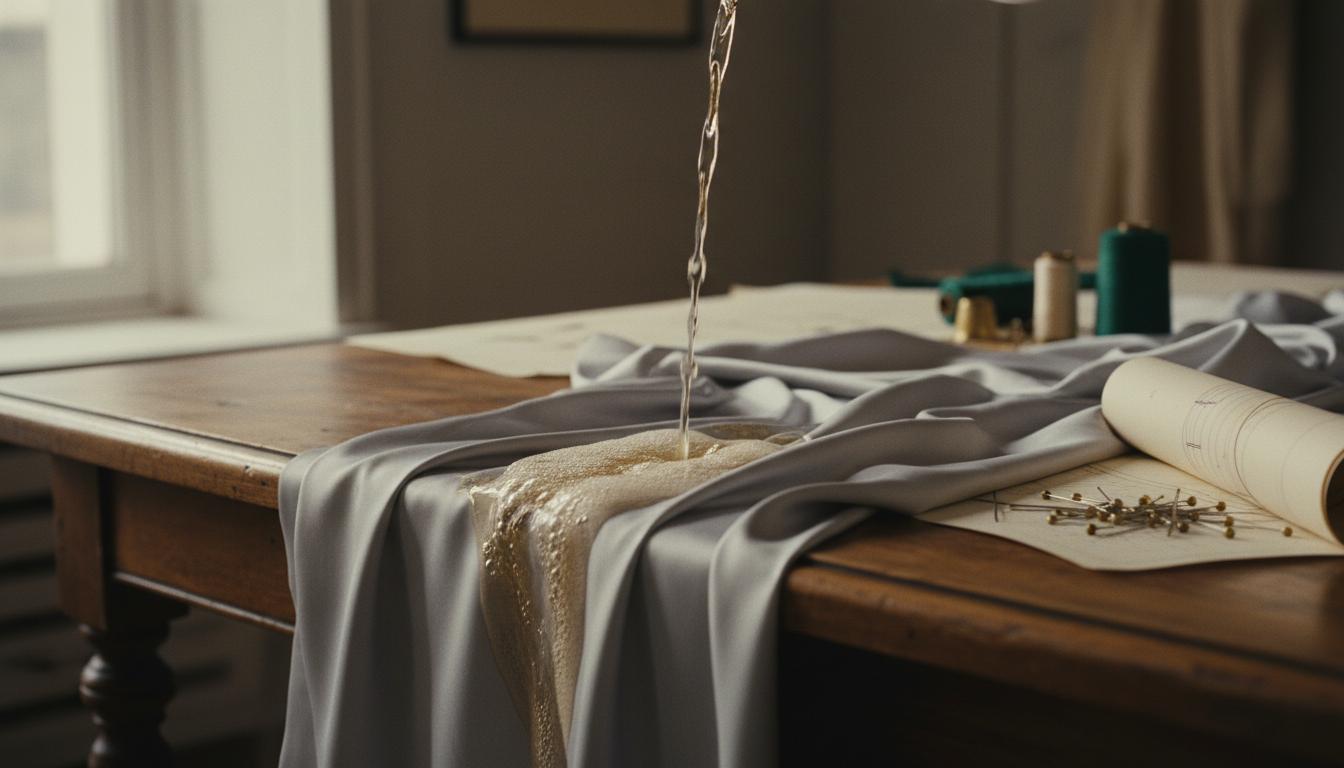
Jim Thompson founded the Thai Silk Company in Bangkok in 1950, an American architect who had arrived in Southeast Asia during the Second World War and stayed. Thai silk weaving was a fading cottage craft when he found it — small household production, no export market, no reason for the wider world to notice. Thompson noticed anyway, financed weavers directly, and built a house around hand-woven silk at a moment when the craft's own survival was not guaranteed.
The gamble worked at a scale few could have predicted. Thompson's silk dressed The King and I when it reached Broadway and film, putting Thai weaving in front of an international audience it had never had. Decades later the same hand-woven silk turned up again on screen in The White Lotus — the same craft, the same house name, on two very different kinds of production separated by most of a century.
Then, on Easter weekend in 1967, Thompson went for a walk in Malaysia's Cameron Highlands and vanished. No body was found, no confirmed explanation ever surfaced, and the disappearance became one of Southeast Asia's enduring unsolved mysteries. The house he built continued without him.
The Thai Silk Company still trades from its Surawong flagship and the Bangkok Heritage Quarter, still hand-weaving the fabric that made its founder's name before his disappearance made it famous twice over. Buying a length of Jim Thompson silk today means buying from a craft revival with a founder's mystery attached — the shop sells the fabric; it does not have to explain the man.
Article references
The houses in this story
- Jim Thompson Bangkok / Online
The Thai Silk Company founded 1950 by the American architect who revived a dying craft and vanished into the Cameron Highlands — hand-woven Thai silk from the Surawong flagship and the Heritage Quarter, dressed The King and I and The White Lotus alike. store page → · open in the atlas →