The Fiber Lords
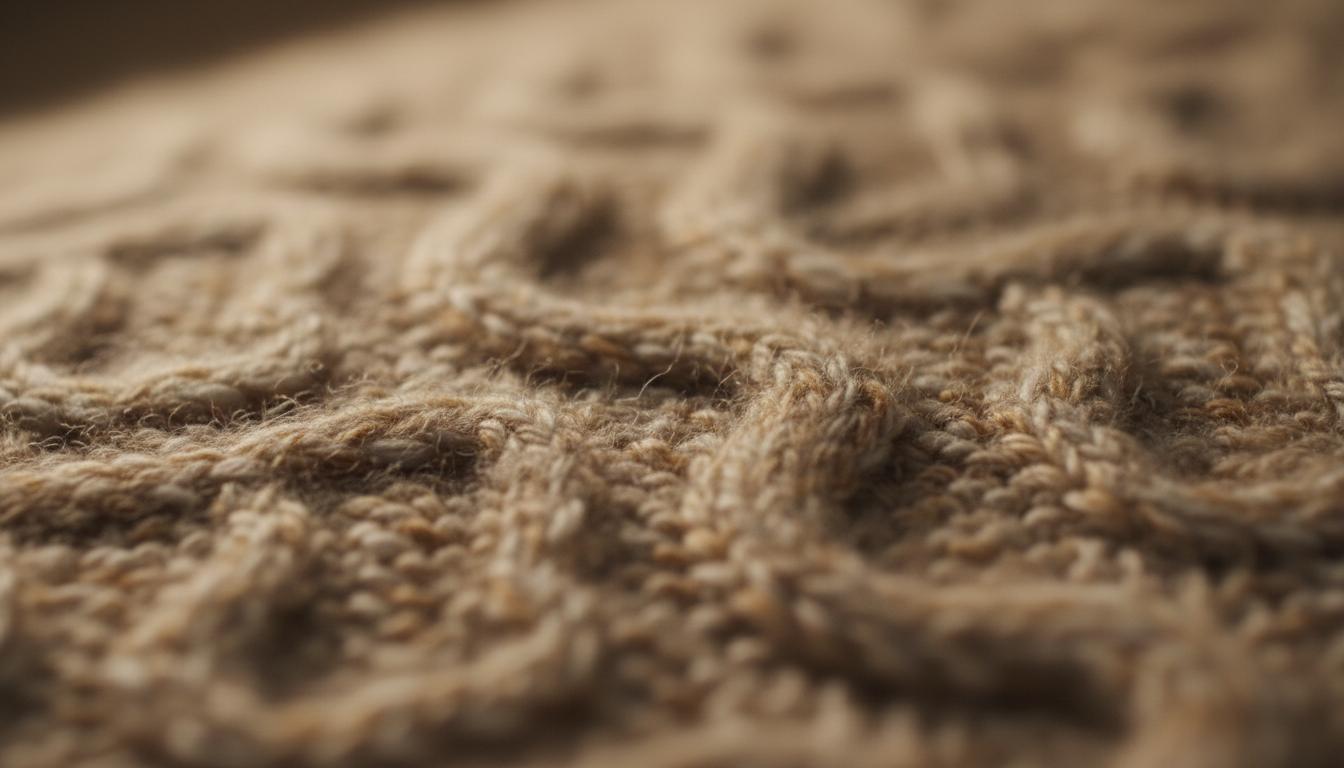
Fashion's attention goes to silhouettes and shows, but Italy's quietest empires were built one step earlier in the chain — on fiber itself. Four houses turned raw material into identity, and together they explain why 'made in Italy' begins long before the sewing.
Loro Piana is the purest case. The family traded wool in Piedmont from the early nineteenth century; the modern house, seated in Quarona since 1924, became the world's foremost buyer and weaver of superlative fibers — baby cashmere combed from goat kids, record-fine merinos secured at auction, and vicuña from the Andes, a species the company helped pull back from near-extinction through conservation agreements. The clothing exists to serve the fiber: unlogo'd, neutral, and calibrated so that the hand-feel makes the entire argument. Touch a Loro Piana sweater once and every other softness claim in retail gets measured against it.
Zegna is verticality. Ermenegildo Zegna founded his mill in Trivero, in the Biella Alps, in 1910, determined to control everything from fleece to fabric — and the Lanificio still weaves there, supplying not only the house's own tailoring but much of the industry's finest cloth. The founder also planted the Oasi Zegna, a reforested mountain park above the mill, environmental conviction decades ahead of the vocabulary. Made-to-measure in Trivero cloth is the house distilled.
Brunello Cucinelli made fiber philosophical. From Solomeo, the Umbrian hamlet he restored around his workshops, he built a cashmere house on what he calls humanistic capitalism — fair wages, dignified hours — and a wardrobe of layered neutrals that defined quiet luxury before the phrase existed. And Missoni made fiber joyful: from Sumirago, Ottavio and Rosita's knitting machines produced the zigzags and flame stitches that turned knitwear into kaleidoscope — one of the few patterns in fashion recognizable across a room with no logo in sight.
Four houses, one lesson: control the thread and the garment follows. Buy by hand-feel, not by label — though with these four, the label and the hand-feel agree.
Article references
The houses in this story
- Loro Piana Quarona / Piedmont / Online
Loro Piana has specialized in cashmere, vicuña and extrafine wool since 1924, with material expertise spanning rare Andean vicuña, baby cashmere and fine wool processed through its Italian textile tradition. store page → · open in the atlas → - Zegna Trivero / Piedmont / Online
From its 1910 Trivero wool mill to global menswear power — fabric-first tailoring and the Oasi Zegna forest. In the 1930s the founder planted about 500,000 conifers around the mill; the third generation established Oasi Zegna (c. 100 km²) in 1993. store page → · open in the atlas → - Brunello Cucinelli Solomeo / Umbria / Online
Humanistic capitalism from a restored Umbrian hamlet — cashmere and tailoring made entirely around Solomeo. Cucinelli bought and restored Solomeo's medieval castle/tower as company headquarters after marrying and moving to his wife Federica's hometown. library, 240-seat theatre, and a school for tailoring, gardening and masonry in the hamlet. store page → · open in the atlas → - Missoni Sumirago / Lombardy / Online
The zigzag knit dynasty — space-dyed knitwear woven in its Varese-province factory since 1953. First zigzag on Missoni FW 1967 via unorthodox raschel-machine use. Sumirago factory built 1969. store page → · open in the atlas →